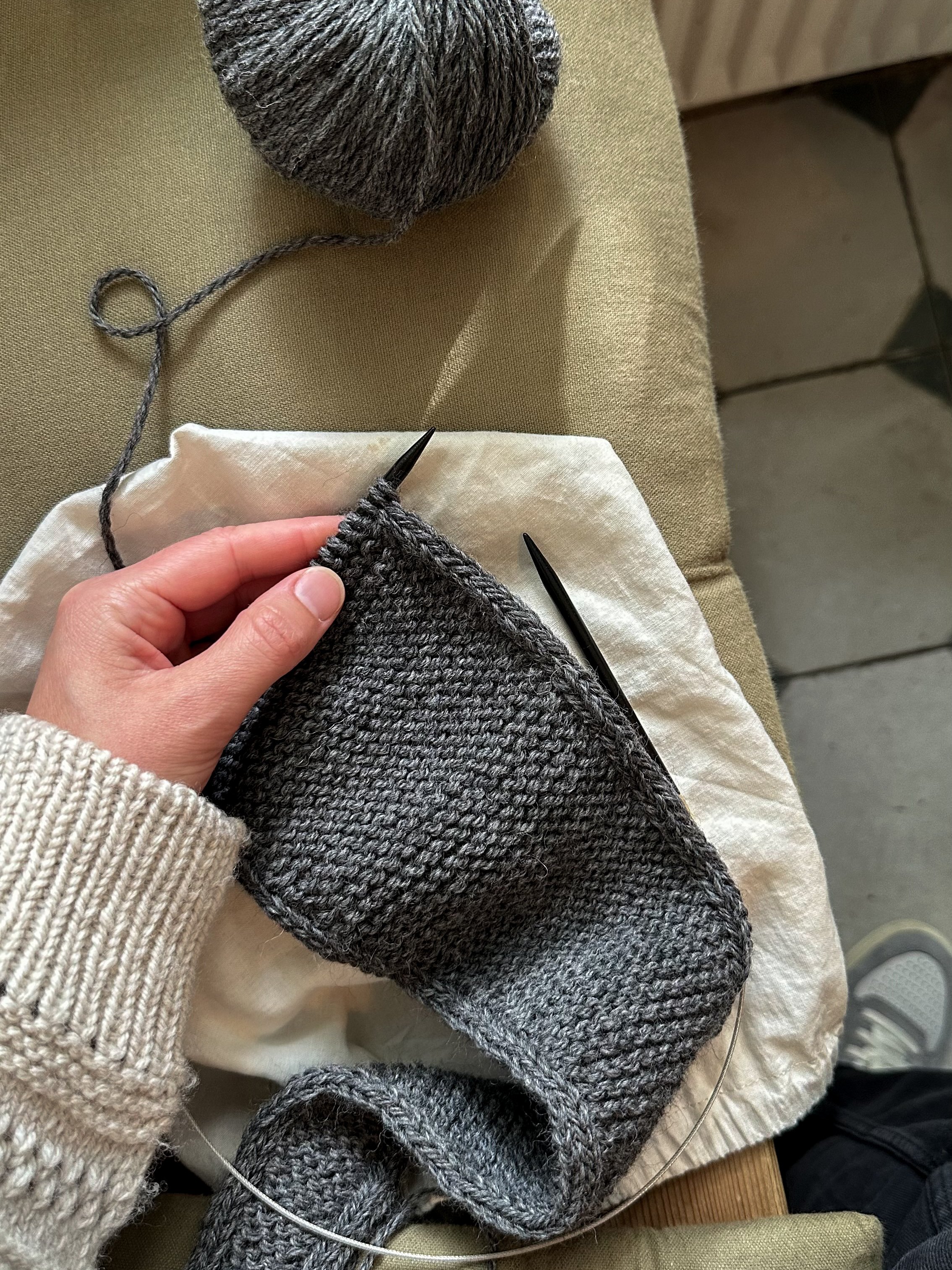
Yarn & knitting
Herritage for the future
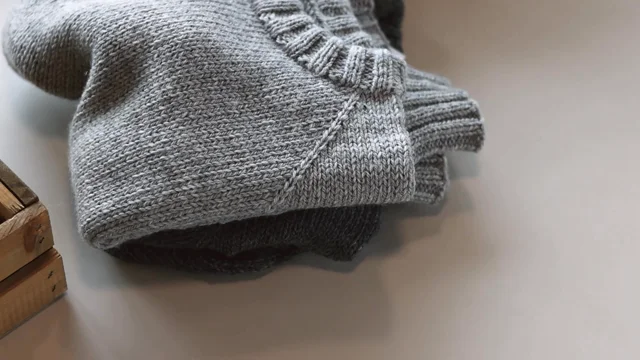
On our knitting site, you can explore patterns, stories, tips and guides for your own projects – and perhaps create something you will one day want to pass on.
When so much around us moves quickly, there’s something comforting about slowing down.
When we knit, we naturally settle into a calmer rhythm. We unwind as we listen to the gentle click of the knitting needles, feel the soft wool between our fingers, and experience the joy of creating something with our own hands.
The craft of knitting has been passed down through generations. Our grandmother teaches us a technique. We rediscover a pattern years later. We repair a jumper, wear it again and one day pass it on to someone else.
Times have changed, but the joy of making and repairing clothes remains just as relevant. When we take good care of what we have, it can stay with us throughout our lives — and perhaps one day be passed on to others. In this way, knitwear becomes more than something we create for the present; it also becomes a legacy we can carry with us into the future.
We call it Heritage for the future.


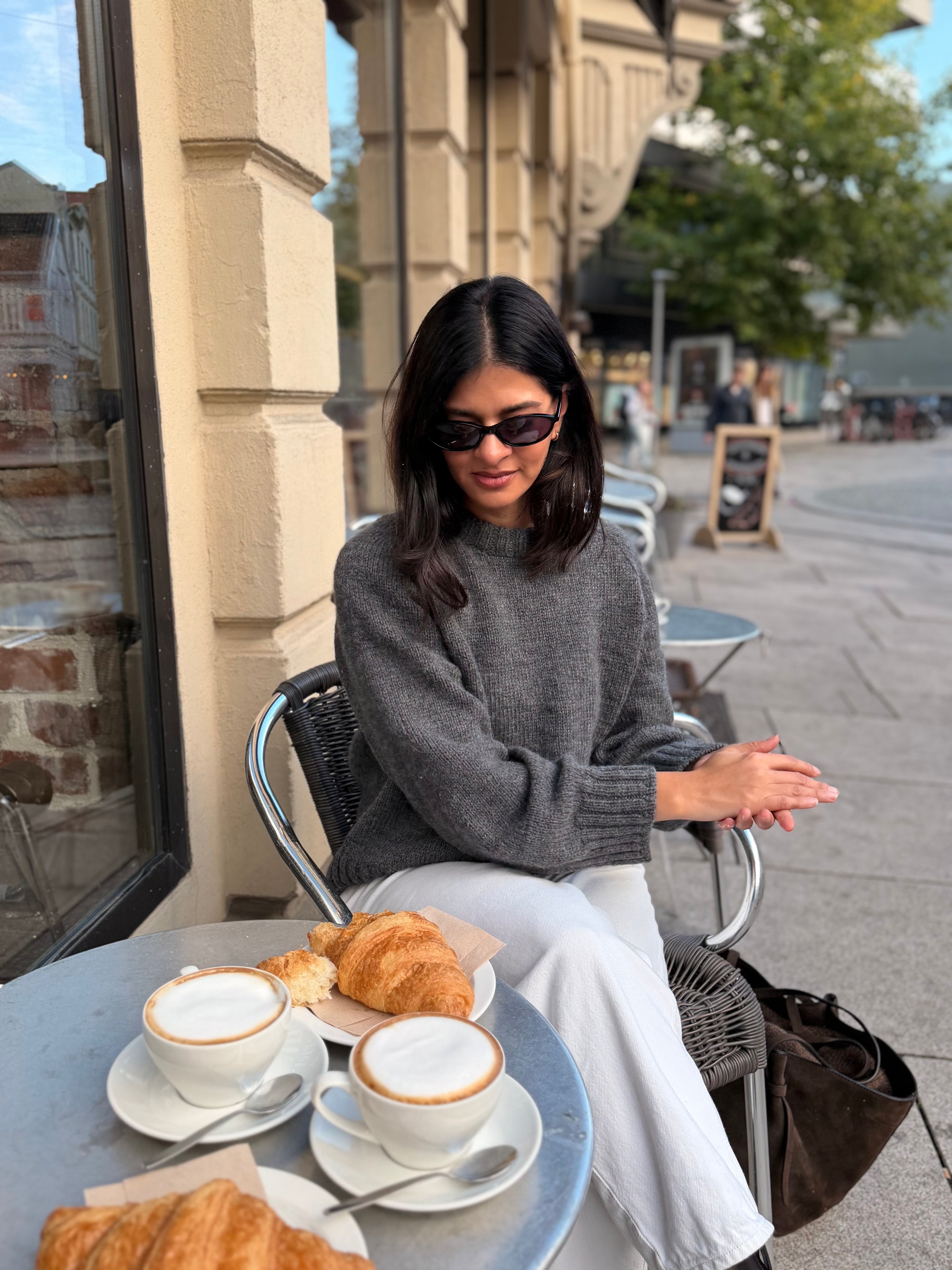
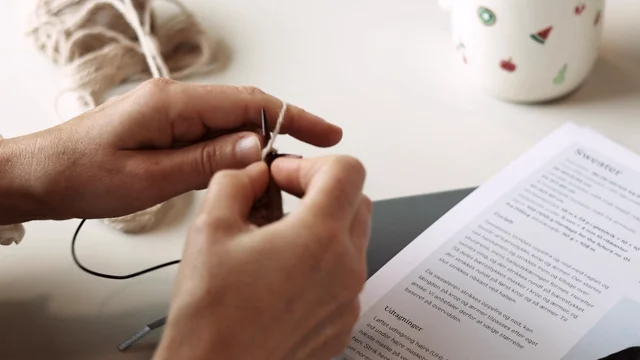
Why knit with merino wool?
We could tell you a lot about why merino wool is wonderful to knit with, but once you feel it in your hands, the material speaks for itself. If you would still like to be sure that merino wool is the right yarn for your next knitting project, here are the benefits that make it such an obvious choice.
Knitting skill levels
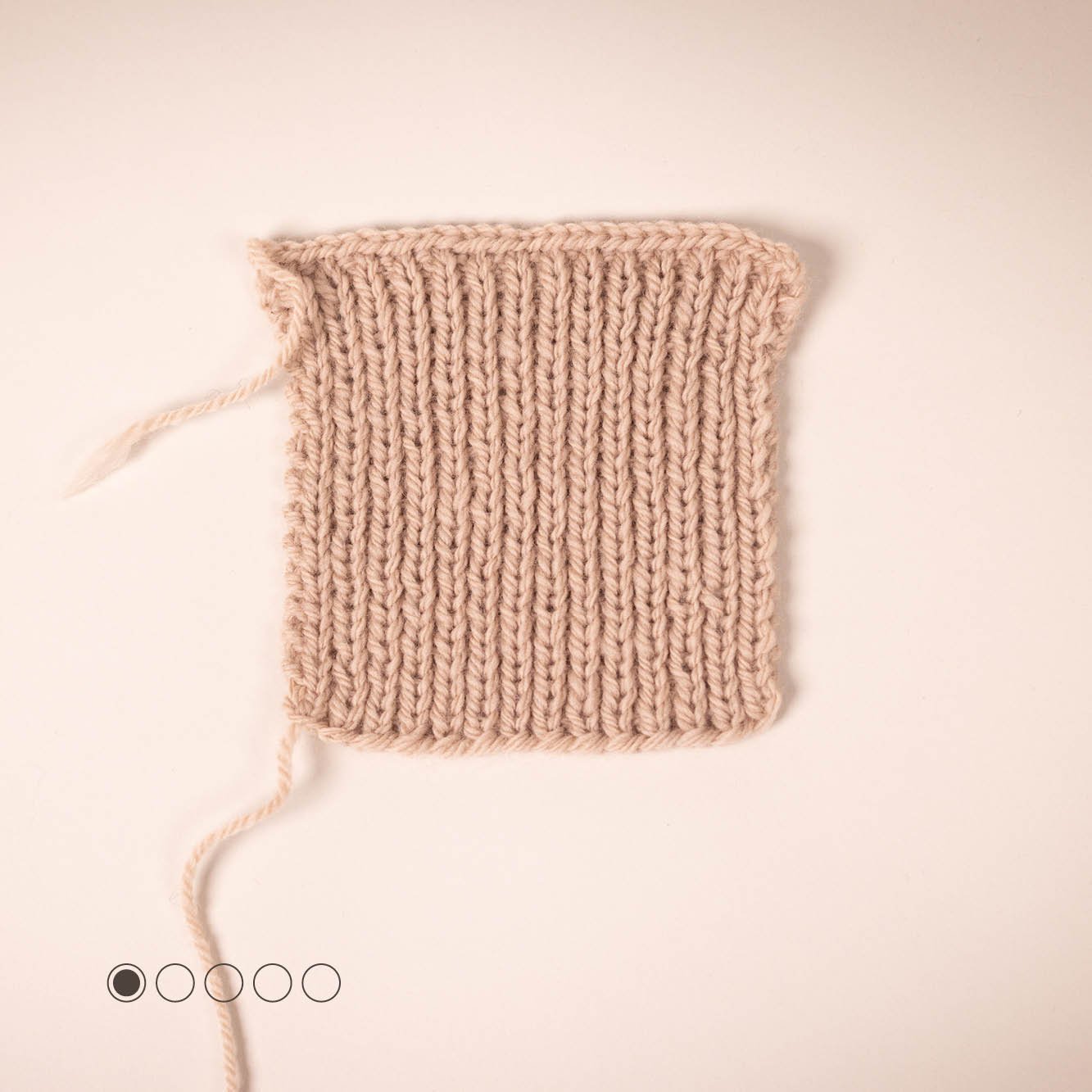
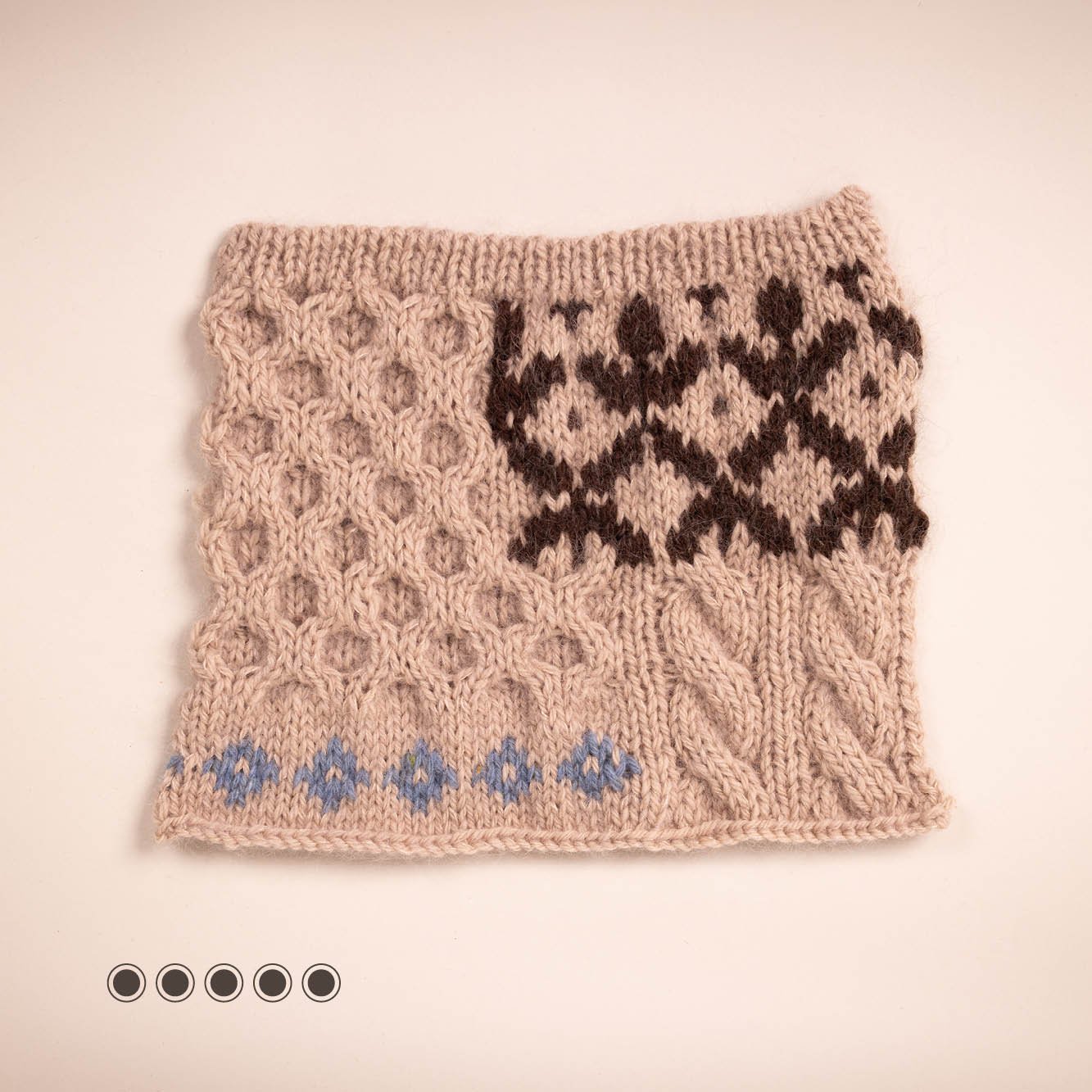
Beginner
Beginner patterns are for those who have never knitted before or simply want a project that is easy to get started with. The patterns contain few or no abbreviations, the techniques are simple, and there is little or no shaping.
Techniques at this level may include the long-tail cast-on, knit, purl and a standard cast-off.
Easy
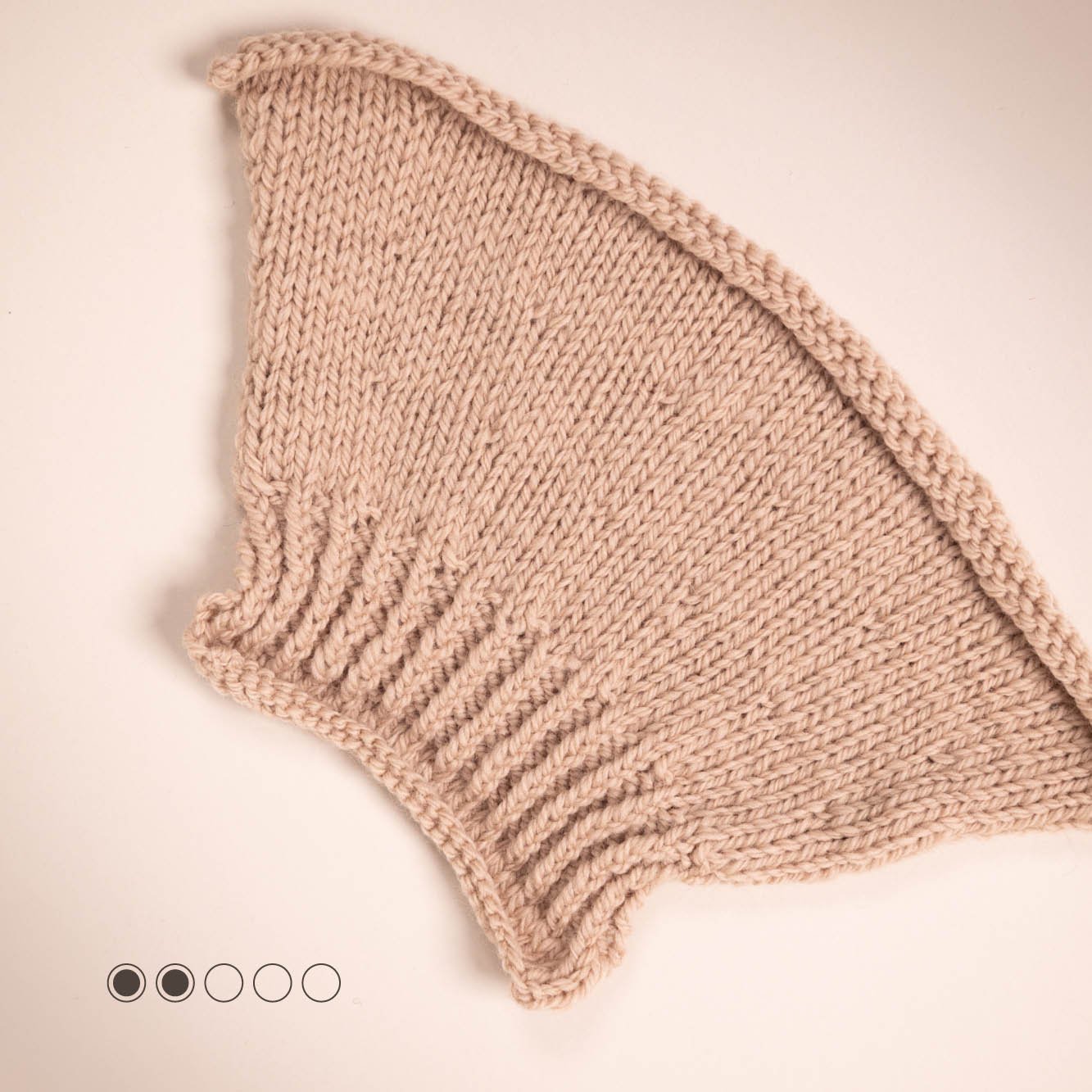
Patterns at this level contain a few more details and abbreviations. The techniques are still relatively simple, and some basic shaping may be involved.
Techniques at this level may include knitting through the back loop, purling through the back loop, simple increases and decreases, yarn overs and simple charts.
Intermediate
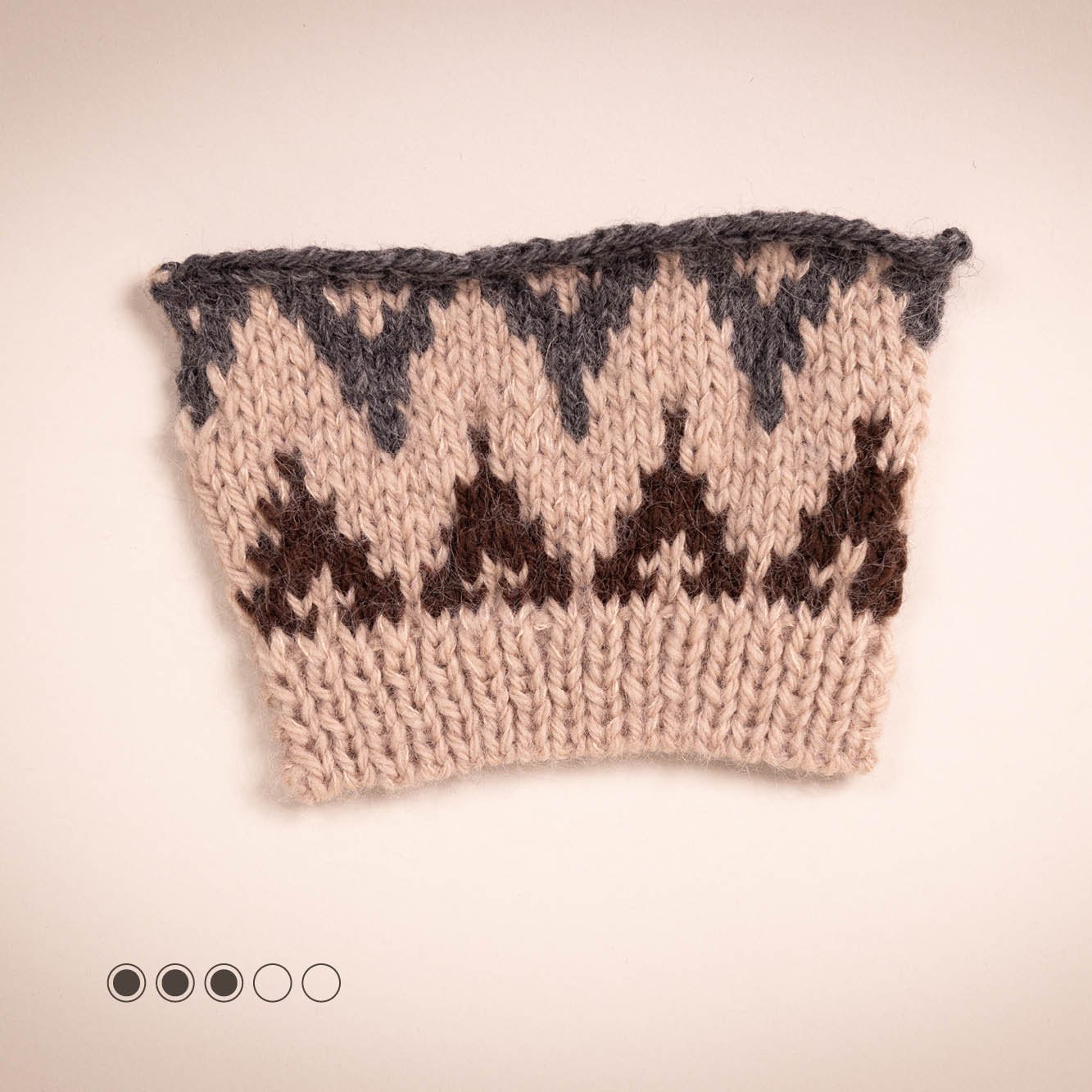
At this level, the patterns are typically a little more advanced, and it helps to have some knitting experience and be comfortable working systematically through different elements of the shaping. The patterns are still written in as much detail as possible.
Techniques at this level may include German Short Rows, picking up stitches, an Italian cast-on or cast-off, different types of increases and decreases, stranded colourwork, slip-stitch colourwork, cables, lace patterns and textured stitch patterns.
Advanced
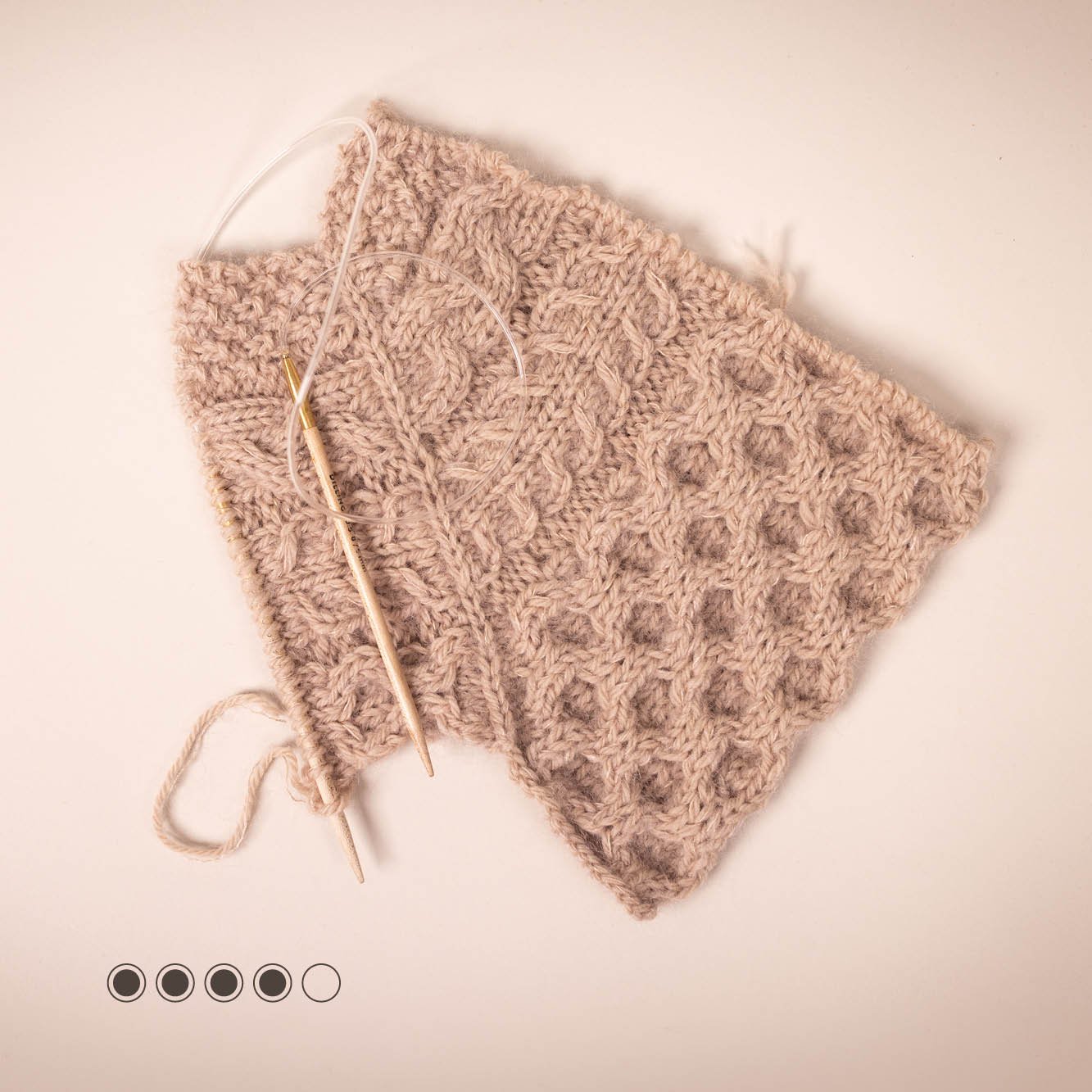
At this level, you may need to pay a little more attention. Patterns can combine several techniques, and the shaping may be more complex. The patterns are written in as much detail as possible, but you may need to keep track of several steps as you work.
Techniques at this level may include advanced double knitting, shaping in brioche stitch, complex cables, seaming or sewing in a zip.
Expert
At the highest level, patterns may combine several advanced techniques with more complex shaping. You are expected to have plenty of knitting experience and to be comfortable keeping track of several techniques and elements of the shaping at the same time.
This may include Fair Isle knitting/multi colour stranded knitting, advanced double knitting, more complex finishing and projects where you are expected to use your own judgement and navigate the individual steps more independently.


Your projects