The path to less textile waste
Ways to make a positive impact and help reduce over-consumption.
Textile waste
The amount of clothing being tossed away each year is increasing worldwide, and the quality of the clothing produced is declining.
Since 1975, global production of textile fibres has tripled, and clothing consumption is expected to rise by 63 percent up to the year 2030, with 102 million tons of textiles being produced globally.
One of the reasons is that we only use our clothes around 7-8 times.
You can help combat this trend by investing in high-quality clothing that you want to wear many times. The goal is simple: we need to reduce the amount of textile waste and dispose of as little as possible. However, the way to achieve this goal is more complex.
Source: European Environmental Agency, Textiles in Europe’s circular economy, 2019.
Which solution is best for the planet?
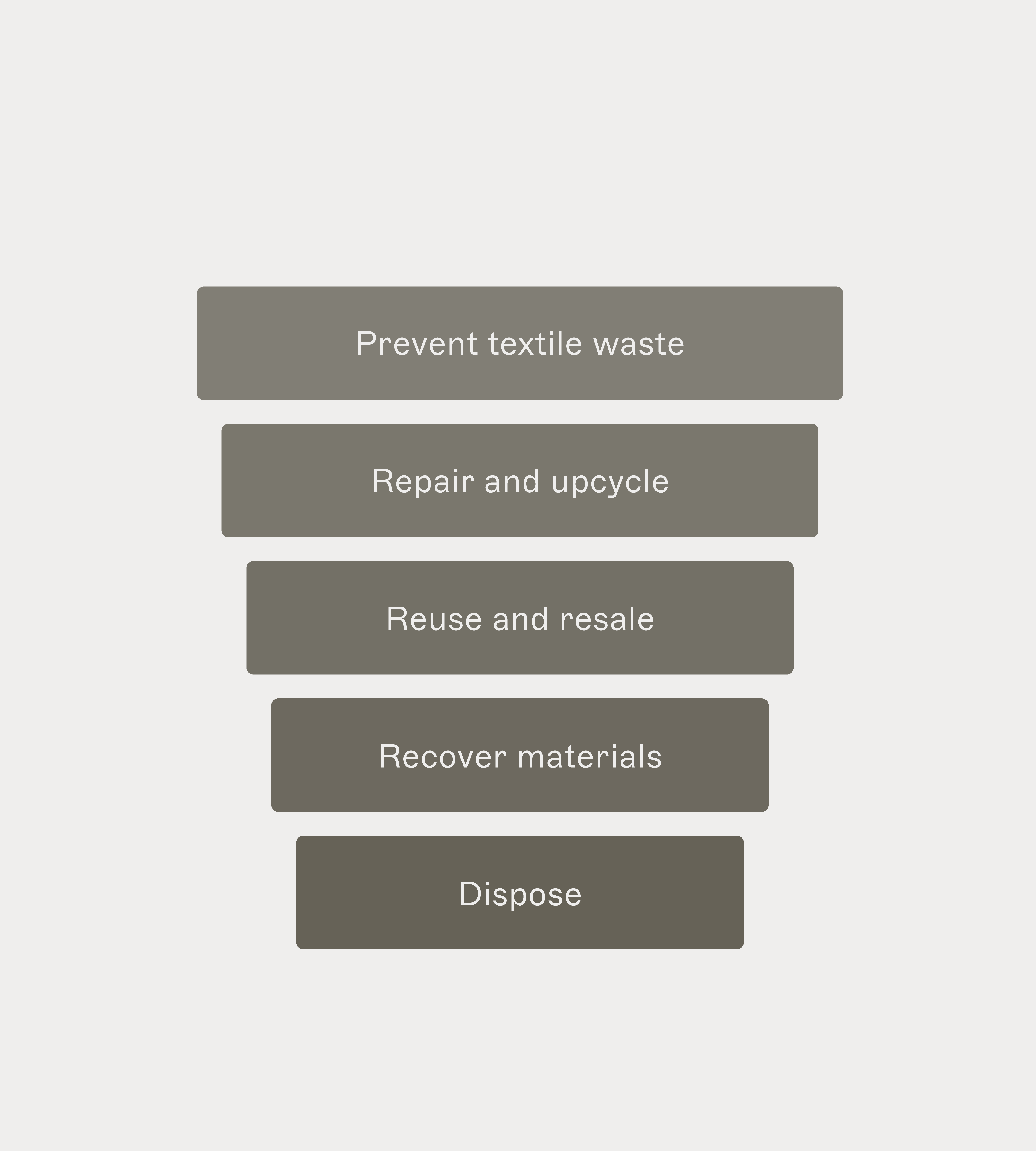
The DILLING version of EU’s 'Waste Hierarchy' focuses on reducing textile waste. It provides an overview of the ways we can reduce over-consumption and over-production of clothes. The goal is to use the solutions that are least climate-impacting and that give the clothes the longest possible lifespan.
Waste hierachy
Prevent textile waste
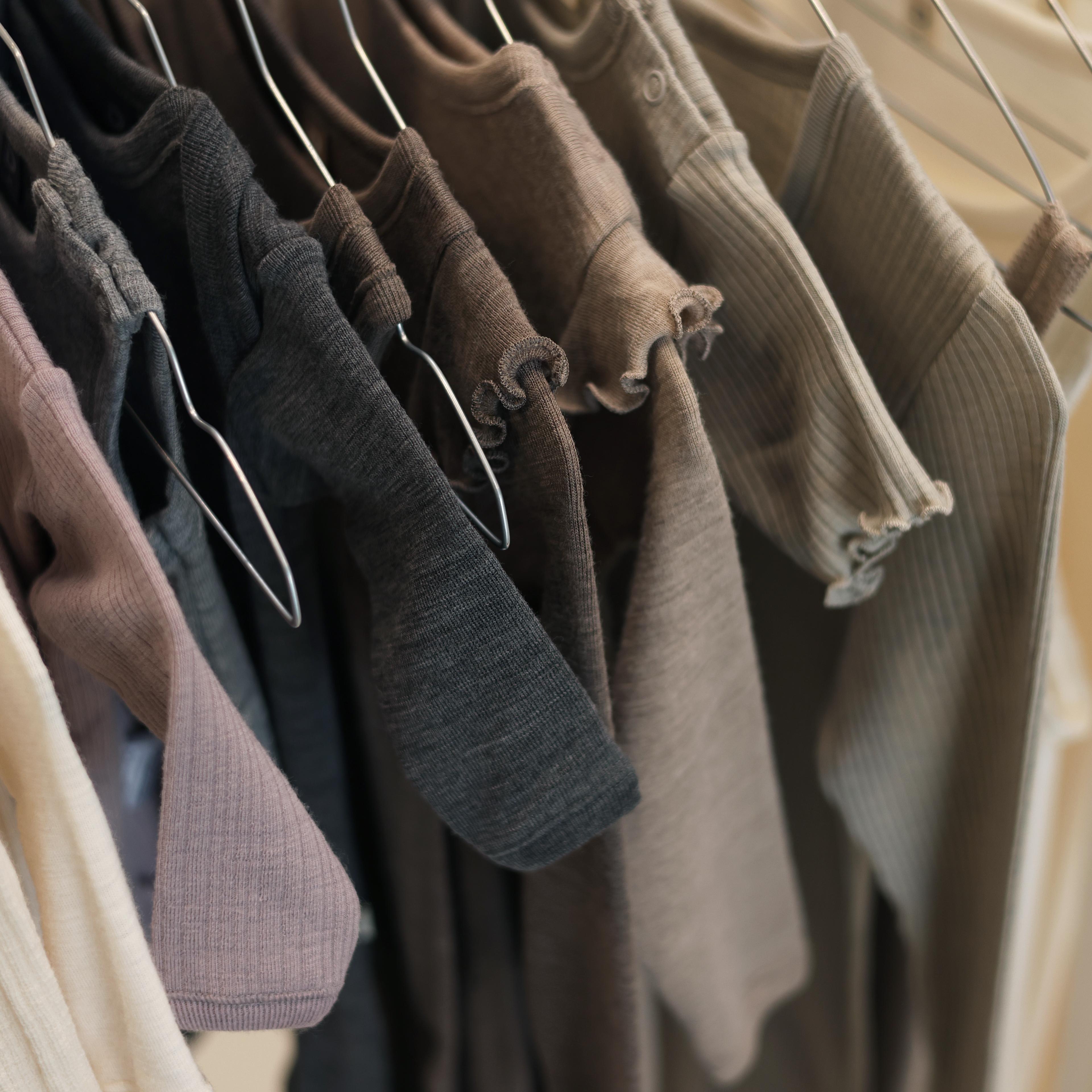
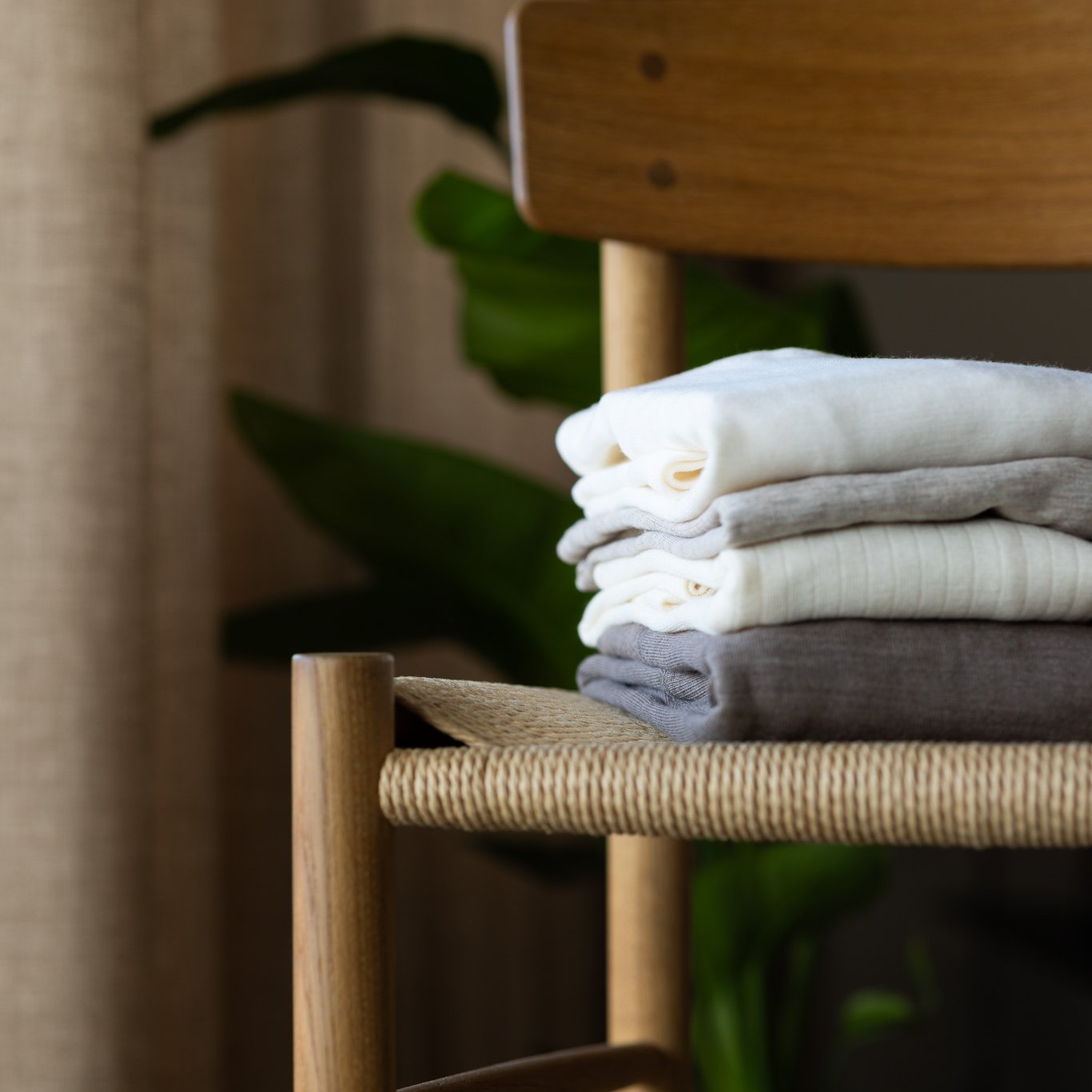
You can help reduce textile waste by investing in high-quality and long-lasting clothes, so you ultimately buy fewer products. Timeless designs can also make you want to keep and wear the garments for a longer time
Repair and upcycle
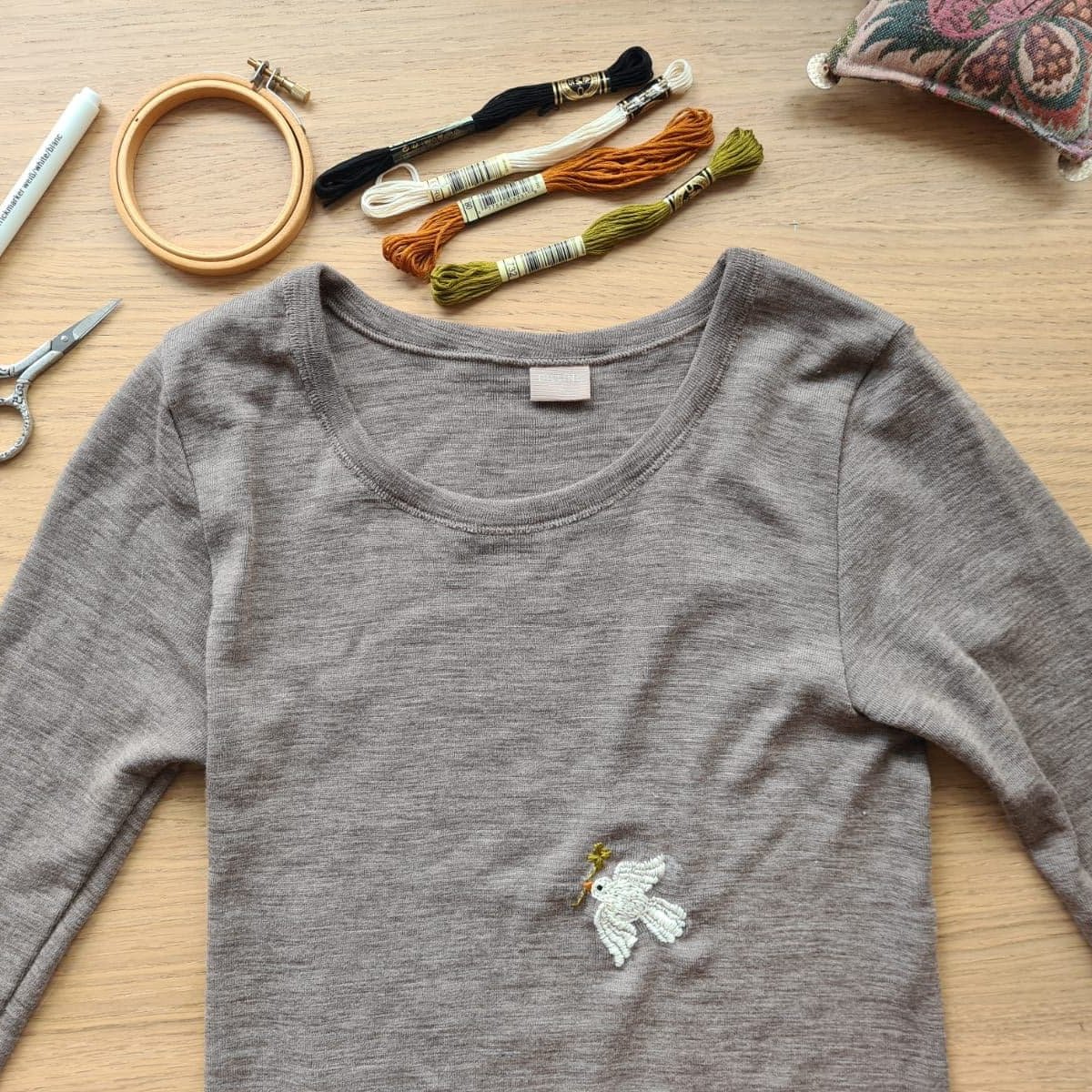
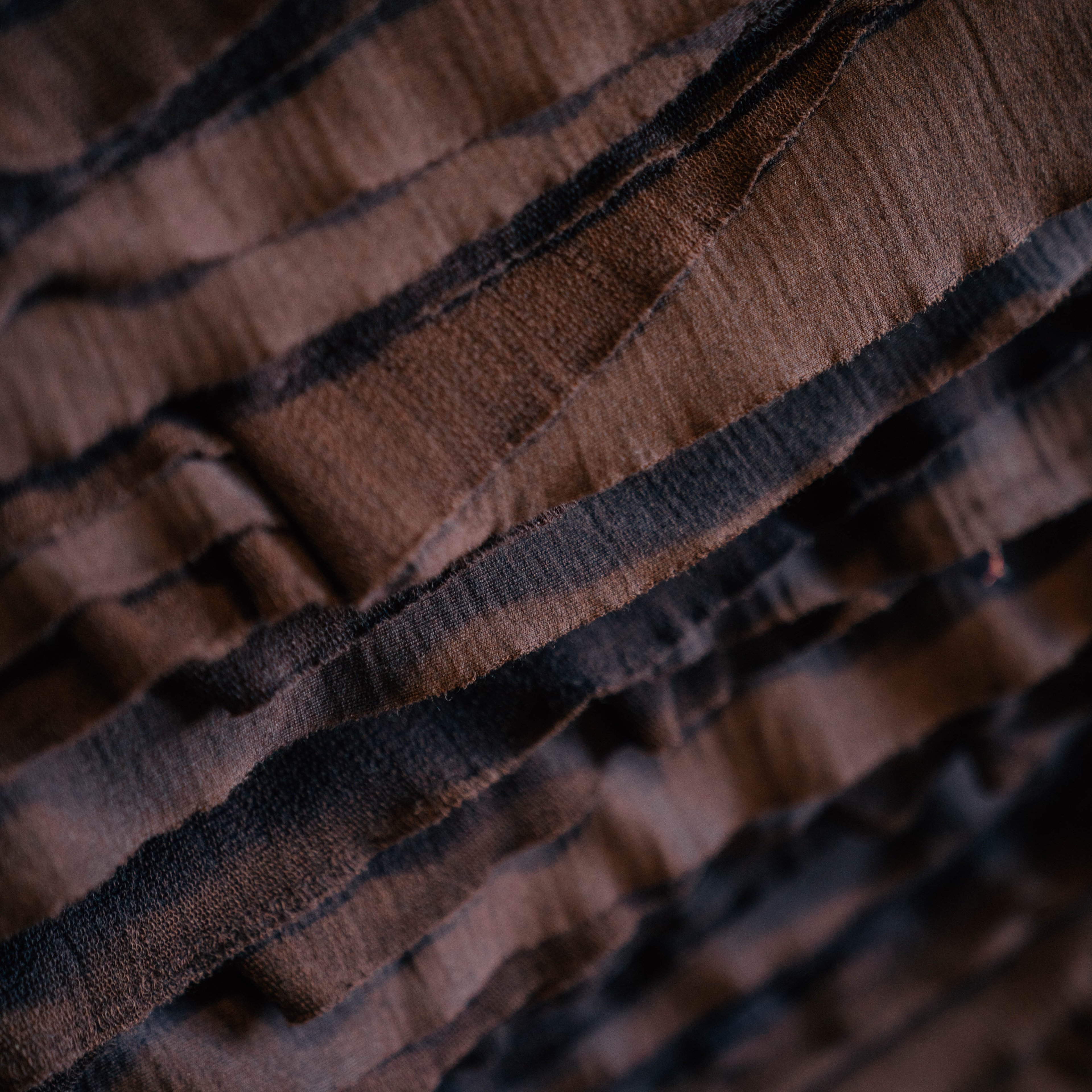
No clothing will last forever. This goes for our wool clothes made from natural materials too. Merino wool is naturally imperfect; it will show signs of use and get holes with time. If you repair it, you expand its life. In our repair guide, you can find inspiration on how to do this. You can also upcycle your clothes by transforming its original function into another. Creative repairs can create a unique look and do not affect the wool in any way.
Reuse and resale
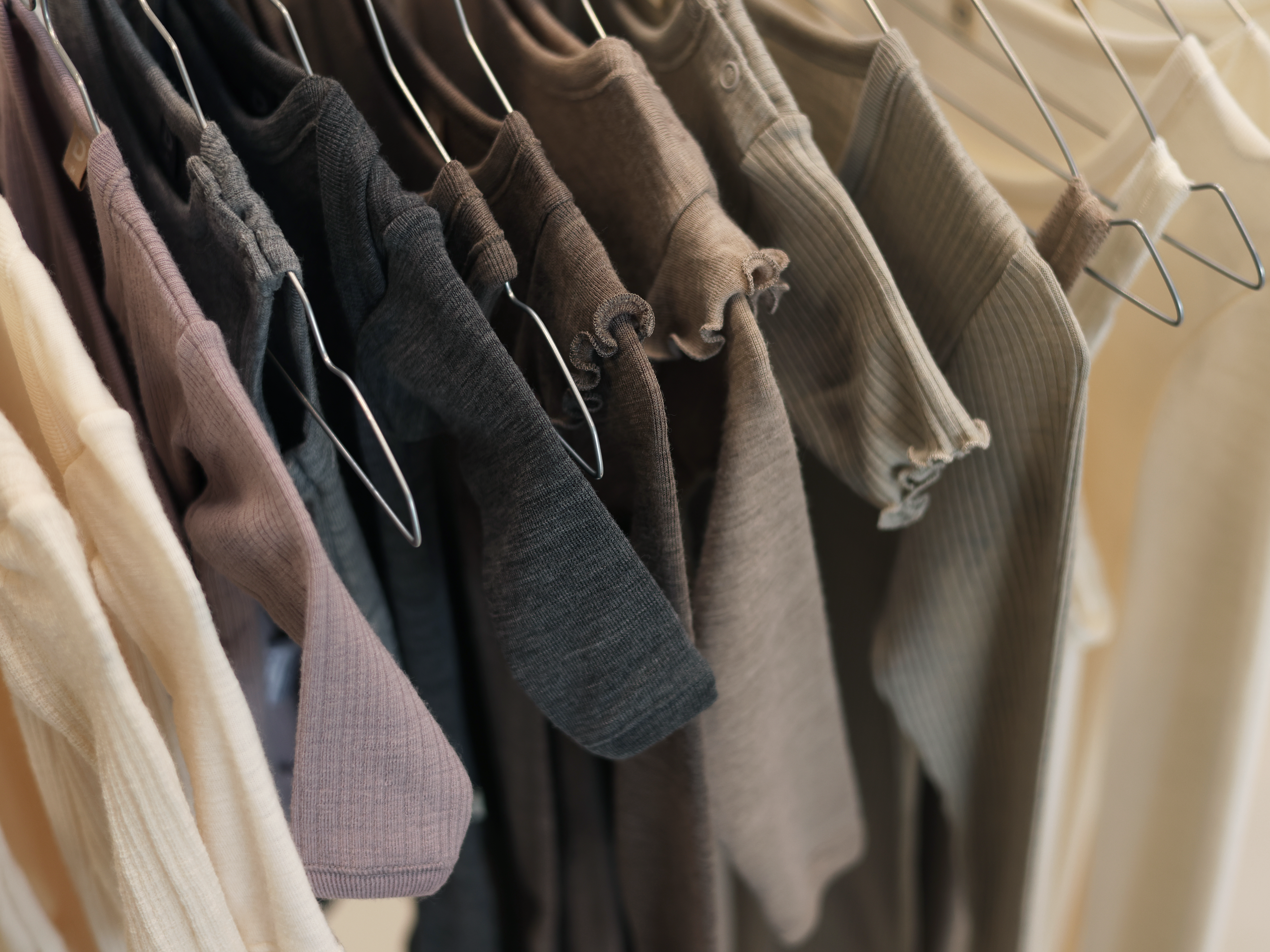
If a garment is gathering dust in the wardrobe, it's best to pass it on or resell it. The blouse that once brought you joy can now benefit someone else. You can, for example, pass on your wool clothing to friends and family or to a local charity store.
If you wish to keep your wool clothing in circulation through resale, there are several resale platforms on the market. We have identified the places where you can advantageously sell your DILLING clothing. You can see both tips on how to create a good sales ad and our recommendations for sales platforms here.
Recover materials
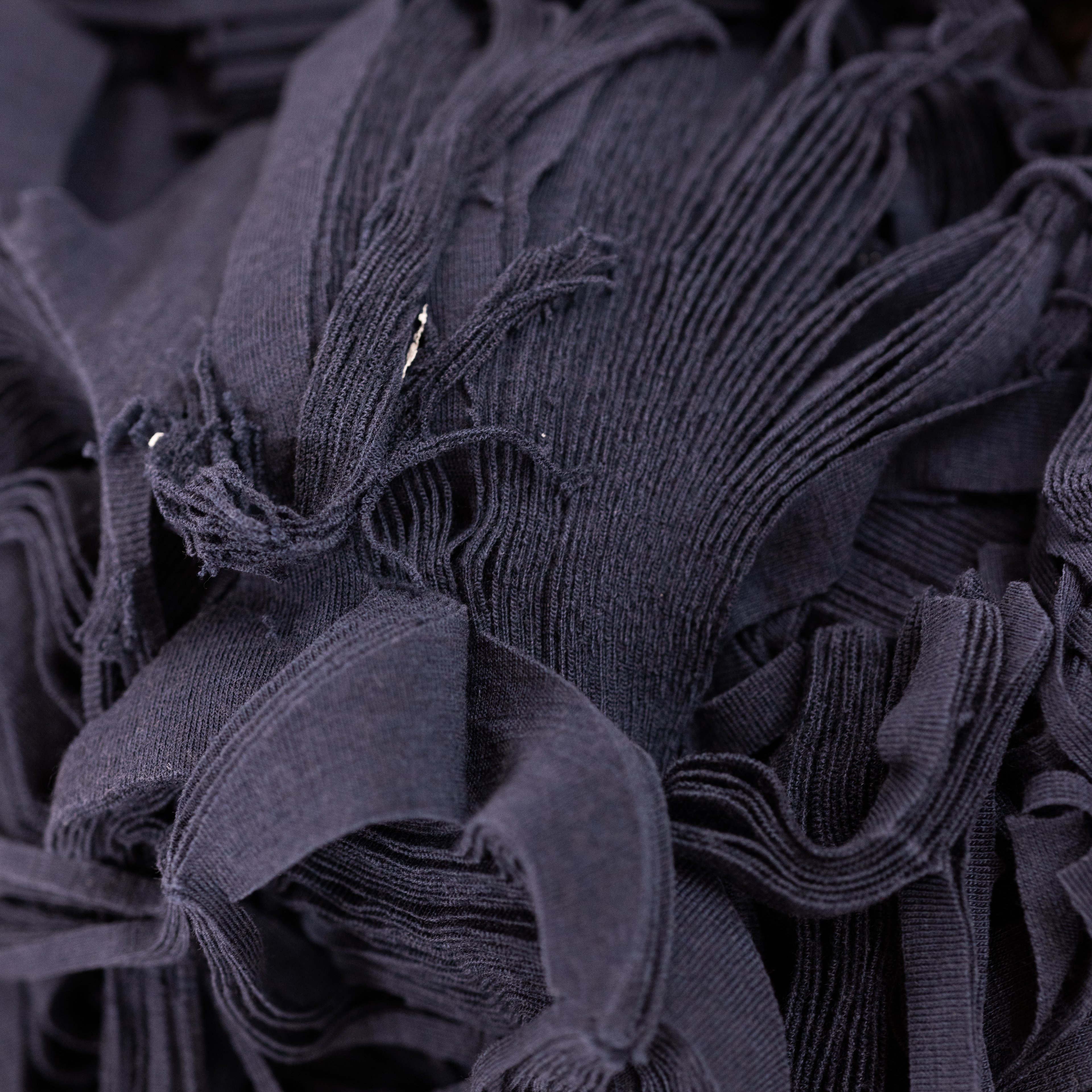
If your clothing can neither be repaired nor reused, it can – depending on the material – be transformed and have another function. Wool fabric scraps can be collected, sorted by colours, and turned into new yarn. Textile fibres in pure natural qualities like our 100% merino wool – unlike garments with mixed fibres – are easier to transform, as the fibres can easily be broken down into granules. However, the quality deteriorates in the process, and it is resource-intensive. Therefore, recycling is not the solution that ranks highest in the textile hierarchy.
Dispose (waste to energy)
The last solution, we should try to avoid, is converting textile waste into energy (e.g., electricity and heat) by disposing it. However, this may be necessary for clothing that has paint or oil stains on it.
Tips for repair, reuse, and resale
We should strive to utilise the solutions that are least climate-impacting and that give the clothing the long life it deserves.
At DILLING, we sell repair patches among other things, and have a repair guide, so you can fix small holes, upcycle the clothing by changing its function or extend the clothing's lifespan in your own way. We have also made collaborations with charity organisations in some of the countries we sell our products in, so you can easily pass on your DILLING clothing to others.
If you would like to keep your wool garments in circulation by reselling them to others, we have compiled some practical tips on how to create an effective sales listing, which you can find here.
Explore more
Explore more


