Free delivery
Free delivery with purchases over 100€

100-day return
Returns are accepted within 100 days

Shipping
Your order will be delivered within 3-5 business days after dispatch
Free delivery
Free delivery with purchases over 100€
100-day return
Returns are accepted within 100 days
Shipping
Your order will be delivered within 3-5 business days after dispatch
At our dyehouse, located in Bredsten – on the outskirts of Vejle – we dye and treat our organic merino wool and cotton products without the use of harmful chemicals and heavy metals.
At our dyehouse, located in Bredsten – on the outskirts of Vejle – we dye and treat our organic merino wool and cotton products without the use of harmful chemicals and heavy metals. This is something we wholeheartedly believe makes a big difference to our environment, our colleagues, and of course to you – the customer, wearing the clothing right next to your skin.
The strength of having our own dyehouse is, first and foremost, the fact that we have control over the things we produce here. What this essentially means is that our 300 employees can get a restful night’s sleep because we know exactly which dyes and chemicals, we have used for the clothing that you and your loved ones will be wearing. We also know that we have gone to great lengths to ensure a consistent and very high quality in what we do.
Today, there are very few dyehouses left in Denmark. In fact, our dyehouse is one of just two remaining dyehouses in all of Denmark. A large proportion of the clothing we dye at our dyehouse is certified with the Nordic Swan Ecolabel – the official Nordic environmental label.
We are always evolving and advancing our production to make it as gentle to the environment and to you as possible. We do this because we all know that the environment is under great strain, and because the clothing we produce is often worn right next to the skin. That’s why we do not use any harmful chemicals or heavy metals at our dyehouse. That way, you and your family can wear DILLING’s products close to your skin without worrying about harsh chemicals. This also makes our clothing especially suitable for people with sensitive skin.
For our production at the dyehouse, we have carefully selected dyes that are free from harmful chemicals. This is because we do not want to use heavy metals in our production. Heavy metals can be problematic for both the environment and to people, as they accumulate in your body and in nature. As we don’t use heavy metals at the dyehouse, there are some colours that we cannot offer: for example, bright blue and green colours and turquoise. That, however, is a choice we feel absolutely confident about. To us, the health and environmental considerations far outweigh the slightly limited colour palette available to us.
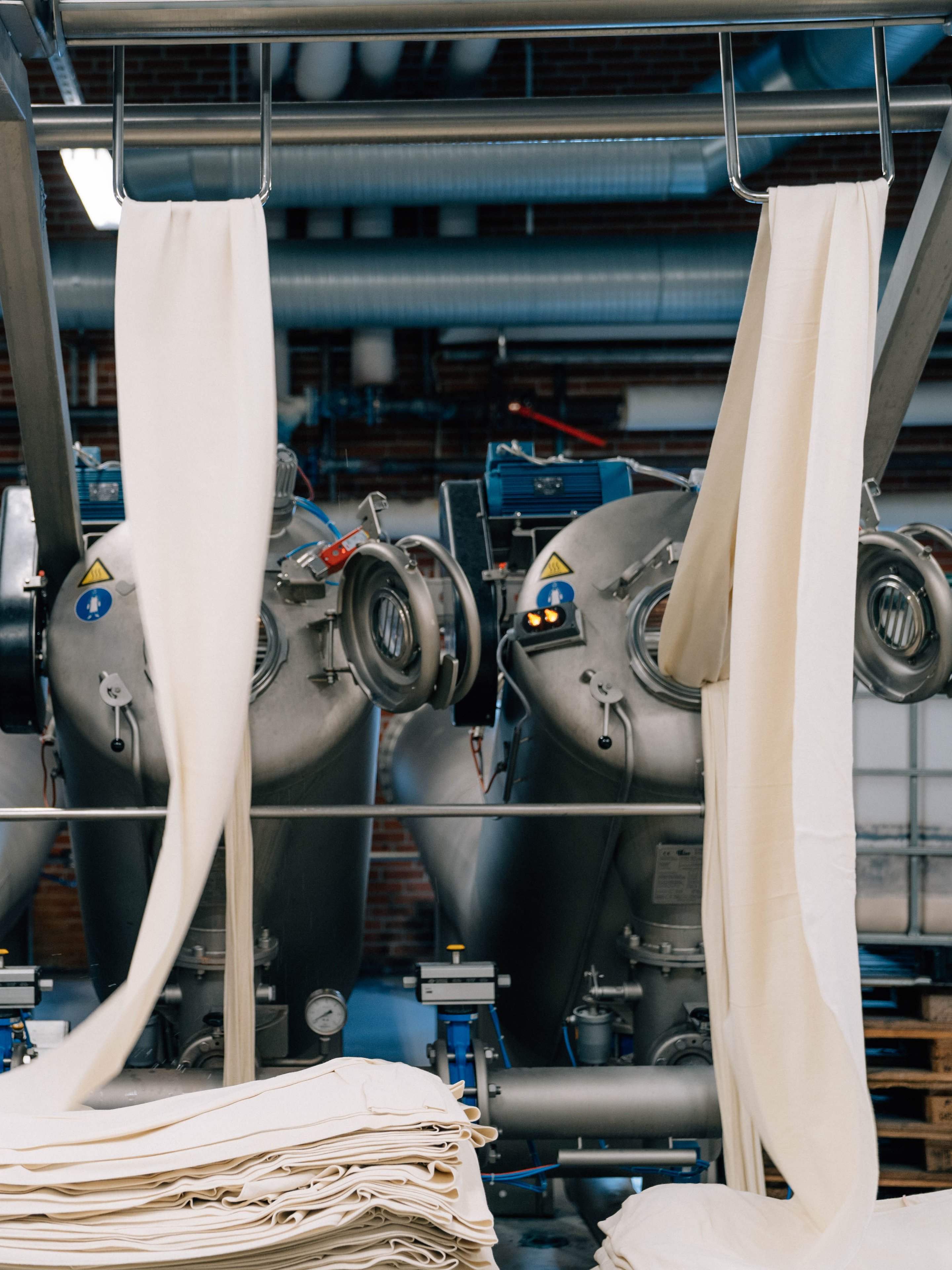
At our dyehouse, we work with untreated and treated merino wool. The majority of our wool is completely untreated when it arrives at the dyehouse. Here, it will undergo our unique enzyme treatment. Some of the qualities have already undergone a Naturetexx® Plasma treatment – a treatment using electricity and air to treat the wool fibres – or an EXP treatment before they arrive at the dyehouse. You can always see which treatment the product has undergone on the product page under Specifications. The treatments used for the different qualities are also listed in our material overview below.
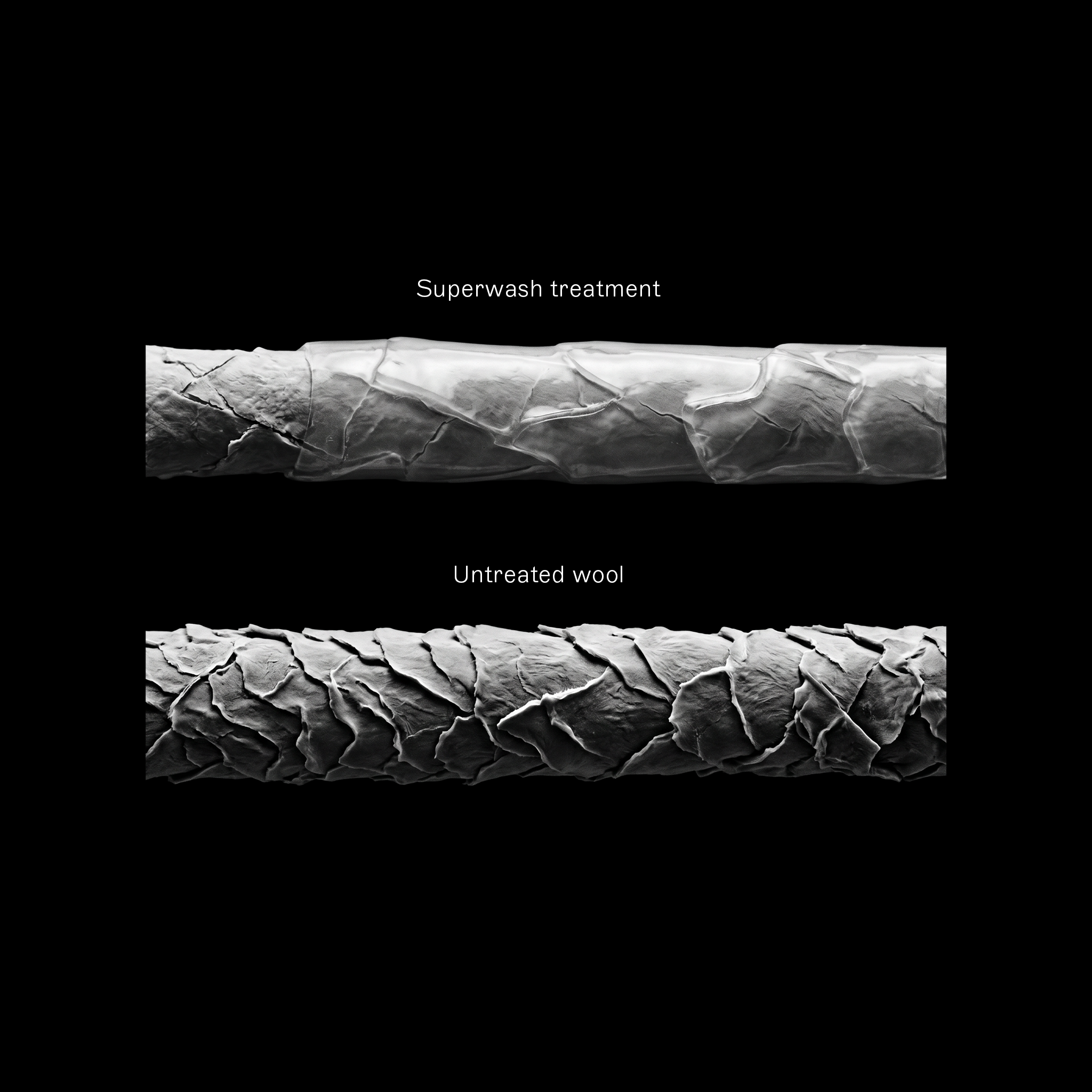
What all our wool qualities have in common is that they have not undergone a Superwash treatment. Combined with our decision to refrain from using heavy metals in our dyehouse, this way of working with merino wool is unique within the industry.
Superwash is a treatment that is used to improve the wool’s washing abilities – first, by removing the itchy hairs with chlorine and then coating the fibres with a thin layer of plastic (either natural (tree resin) or artificial resin (some form of plastic)). This treatment makes the wool more resistant to sudden temperature changes and rough handling. All in all, it makes the wool fibres washing-machine friendly. Unfortunately, with this treatment a lot of chlorine (AOX) is discharged with the wastewater, which has a negative impact on the environment. The treatment also ruins a lot of the natural properties of the wool. The plastic coating impairs the wool fibres’ natural ability to insulate against the cold, regulate temperatures, and absorb moisture.
Instead, to soften the untreated merino wool fibres, we use an 10-hour long dye and enzyme treatment. The enzyme treatment gently removes the itchy hairs and softens the wool fibres, while leaving all the natural benefits of merino wool completely intact – so you get an extraordinarily soft, clean, and light product.
Core stages of our dye and enzyme treatment
Our journey was affected by three important events that shaped the way we work with treatments of our products.
Read the whole story here.
1985
Pre shrinkage without formaldehyde
1991
Dying without harmful chemicals and heavy metals
1996
Enhancing the quality of our products
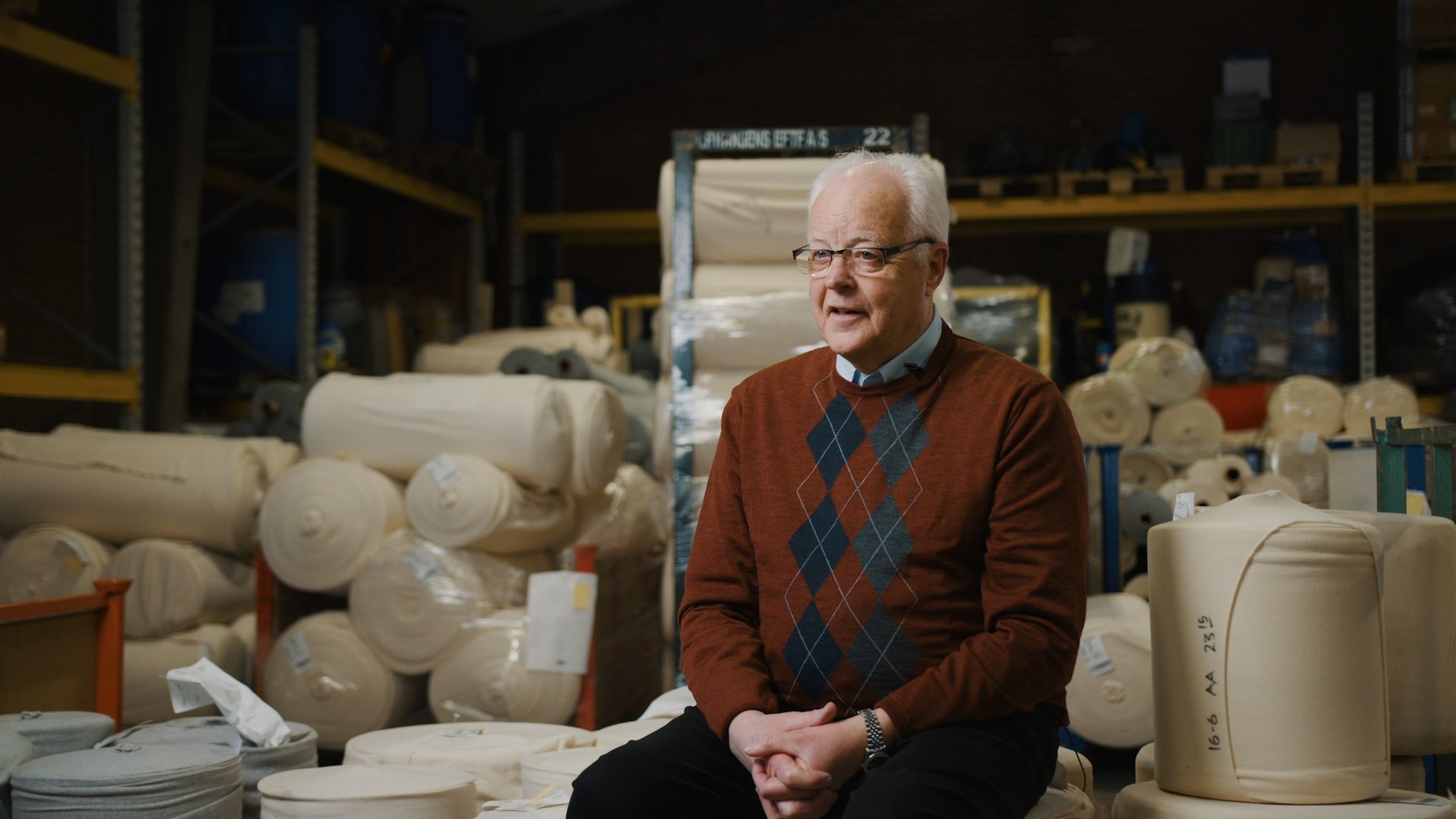
“One day, my wife, Bente, comes to me and says: Villy, it’s an expensive hobby you have.”
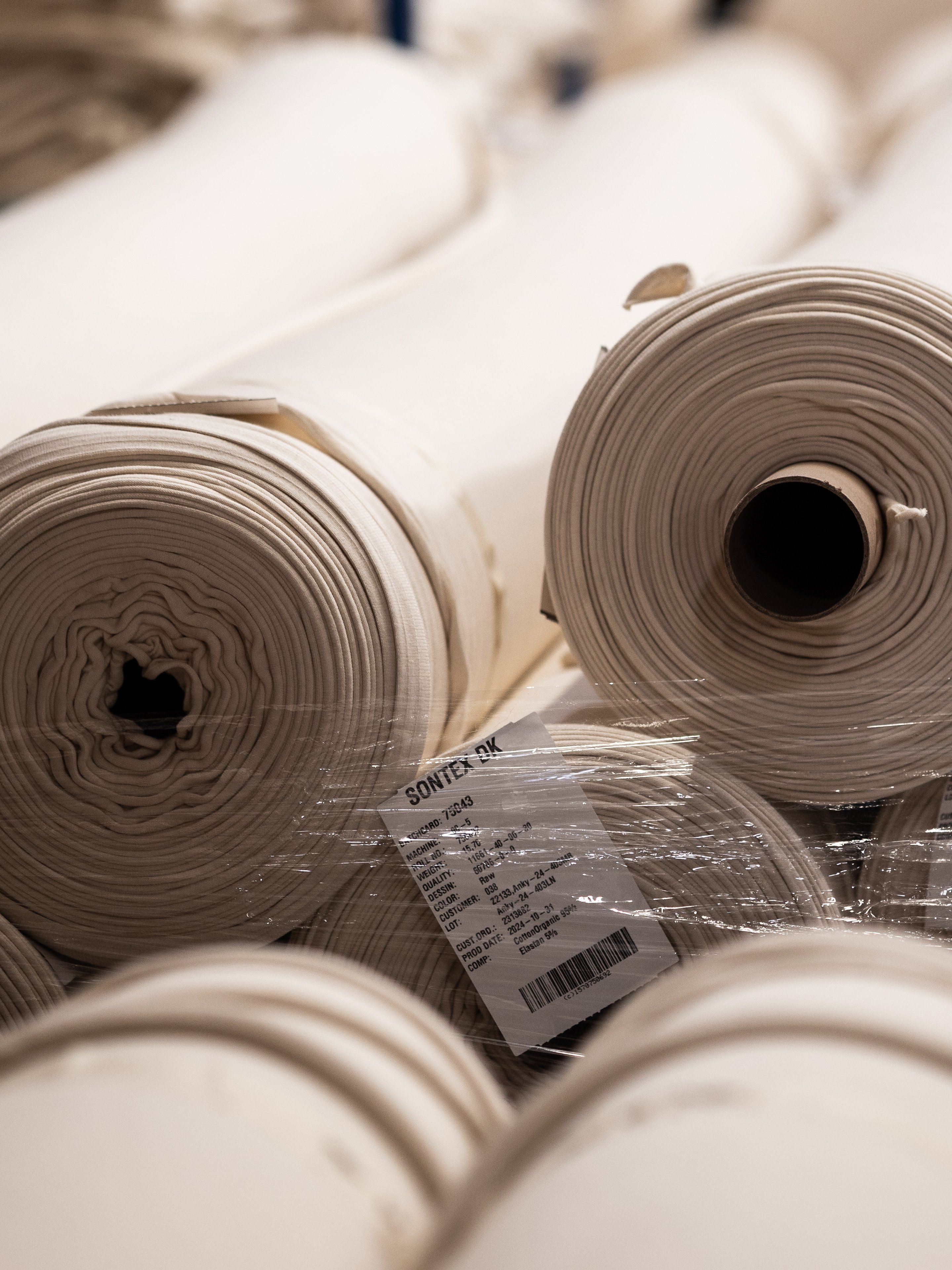
Treating and dyeing wool is a long process consisting of several stages. The industry standard for treating and dyeing wool is about eight hours – but our unique dye and enzyme treatment takes a total of 10 hours from start to finish. Now, from a business perspective this is a costly investment. You have probably heard the phrase time is money – and in any production flow that saying is very true. In most cases, it is about getting the product through production – from sheep to shirt – as fast as possible. However we have a different way of doing things at our dyehouse. Quality takes time. Gentle treatments take time. We wholeheartedly believe that extra time spent is absolutely worth it – so you and your family can feel good about wearing our clothes right next to your skin.
01. The recipe
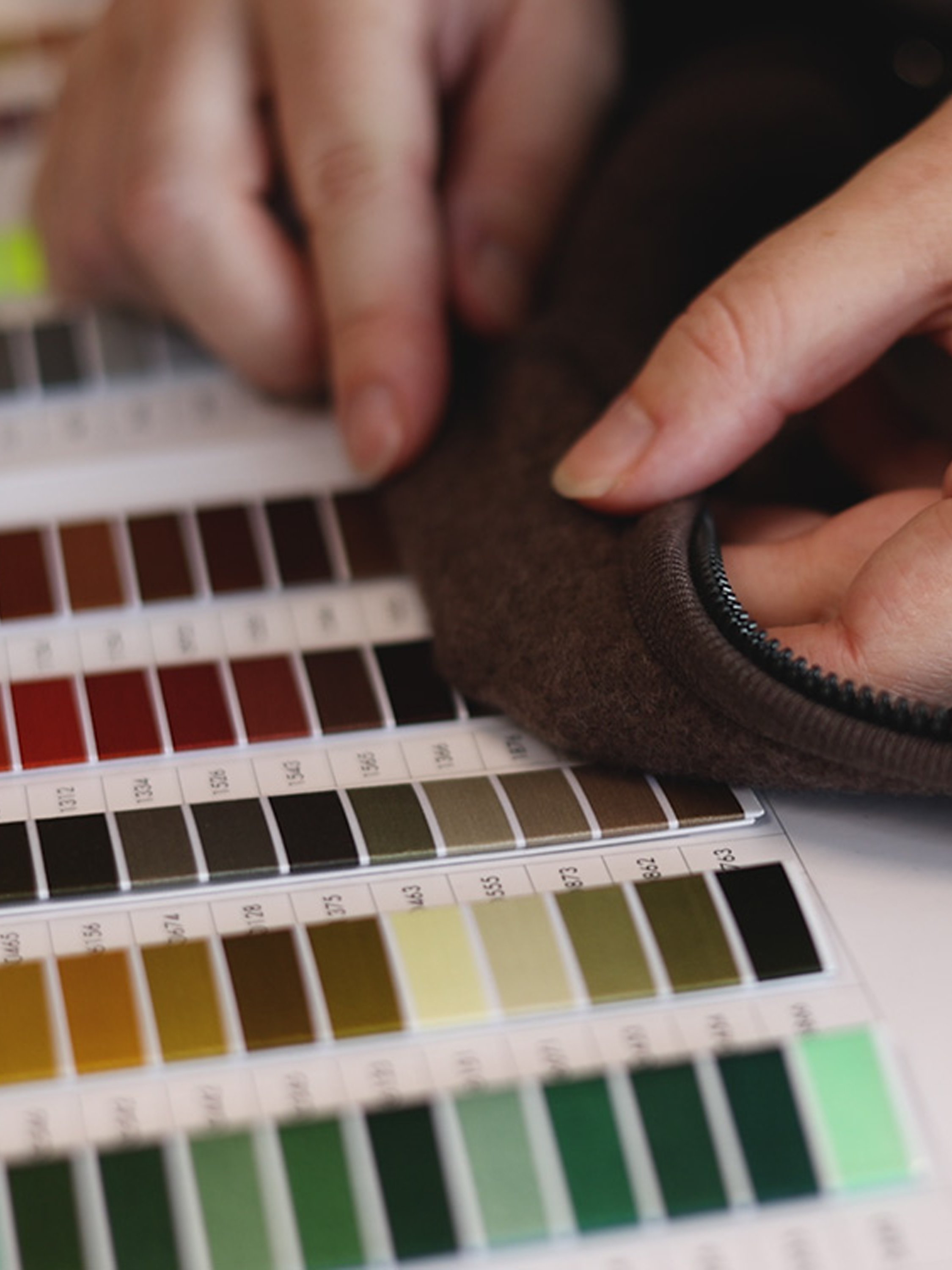
Whenever our designer, Sarah, has a new color in mind, our master dyer, Charlotte, brings her ideas to life.
Before a new dyeing process can begin, Charlotte creates a formula for the pre-processing. The formula is a list of ingredients and a specification of how much of each component must be added to achieve the desired color. This requires many years of experience and a meticulous eye for detail.
As a dyehouse that dyes a large proportion of products certified with the Nordic Swan Ecolabel, we meet very high standards for dyes and chemicals. We use the Nordic Swan Ecolabel as a guide when selecting the components for each formula. We’re proud to offer a wide range of products certified with the Nordic Swan Ecolabel, as the certification sets some of the strictest requirements for dyeing and treatment processes.
02. The treatment
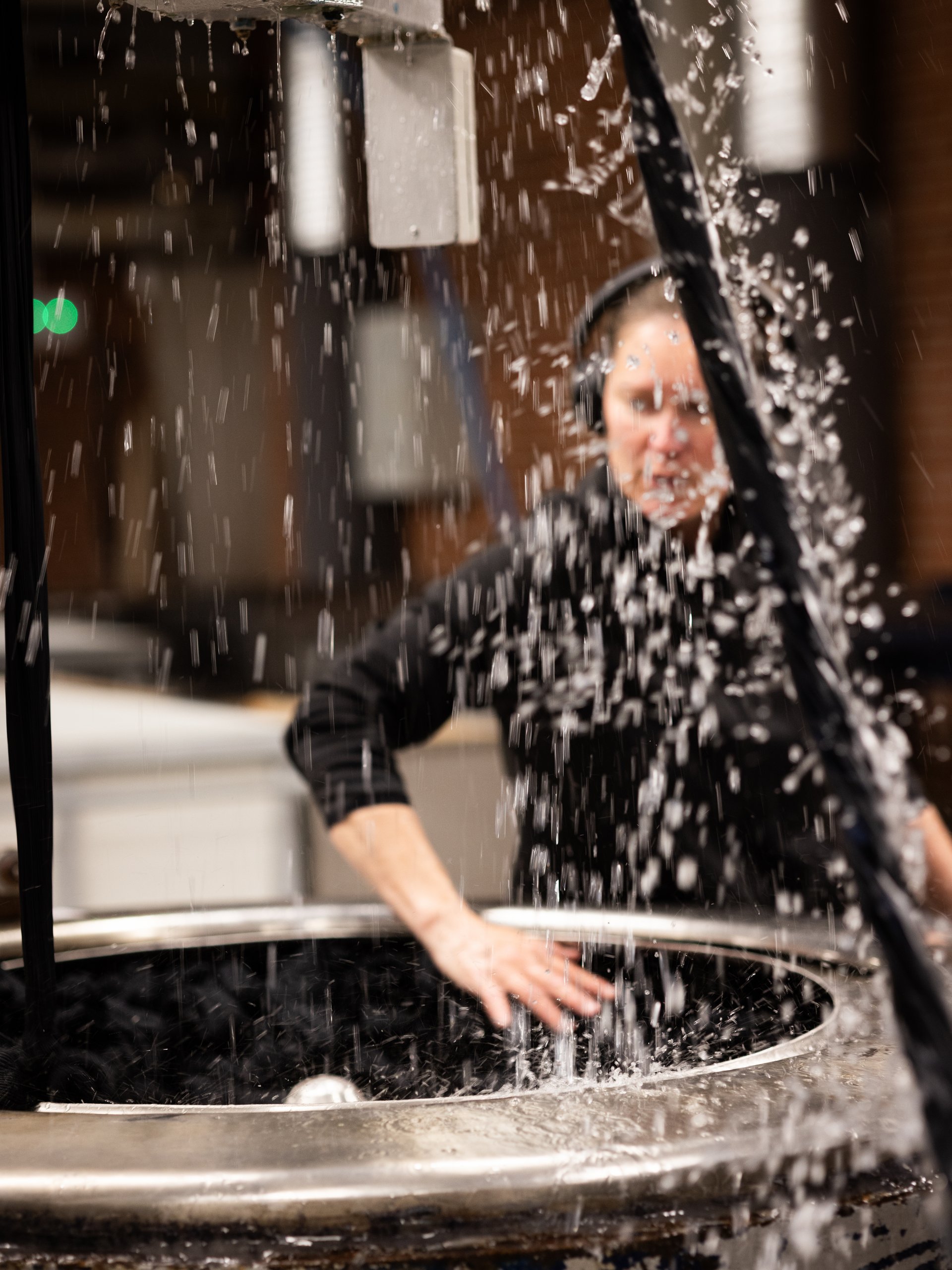
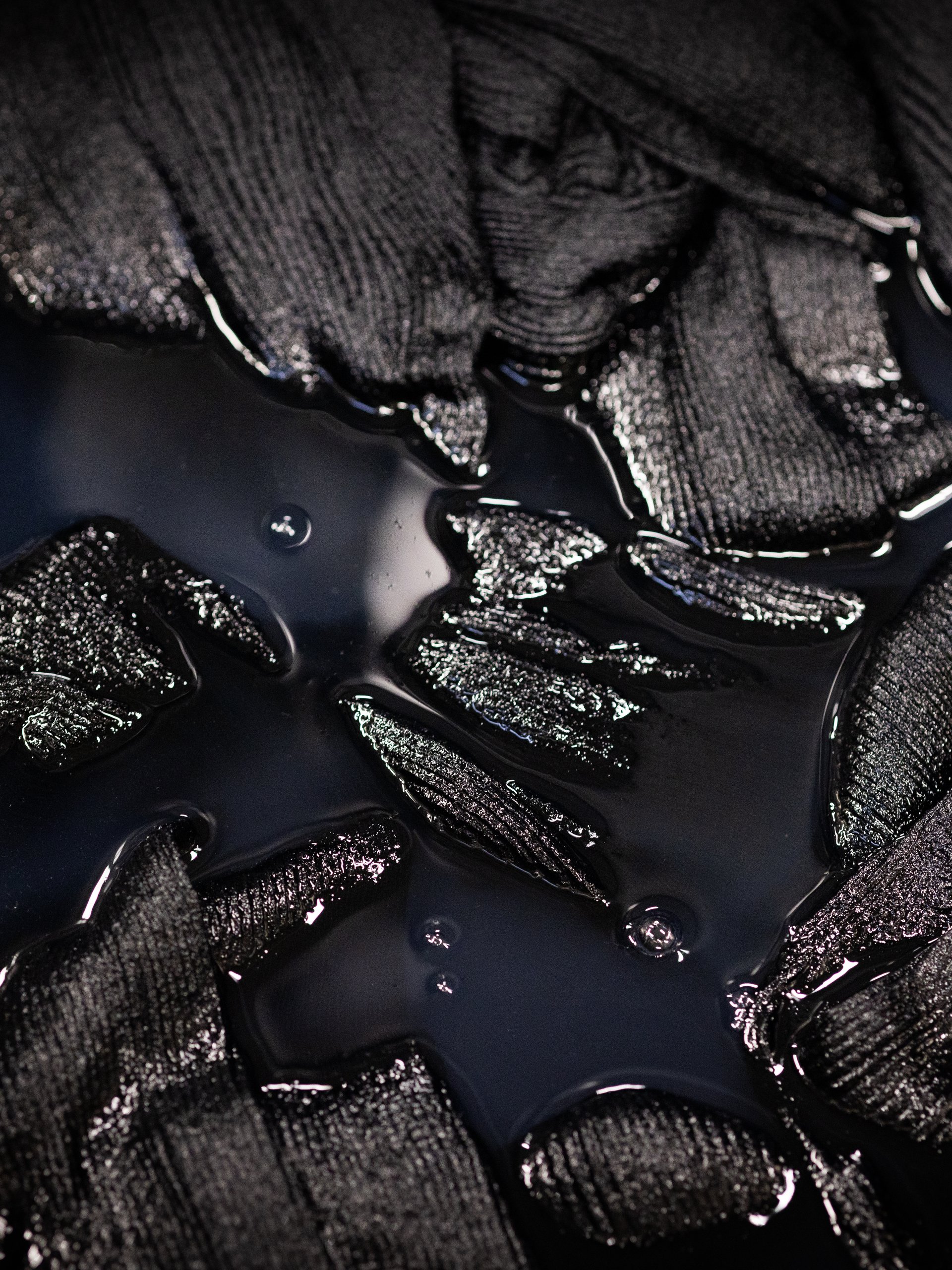
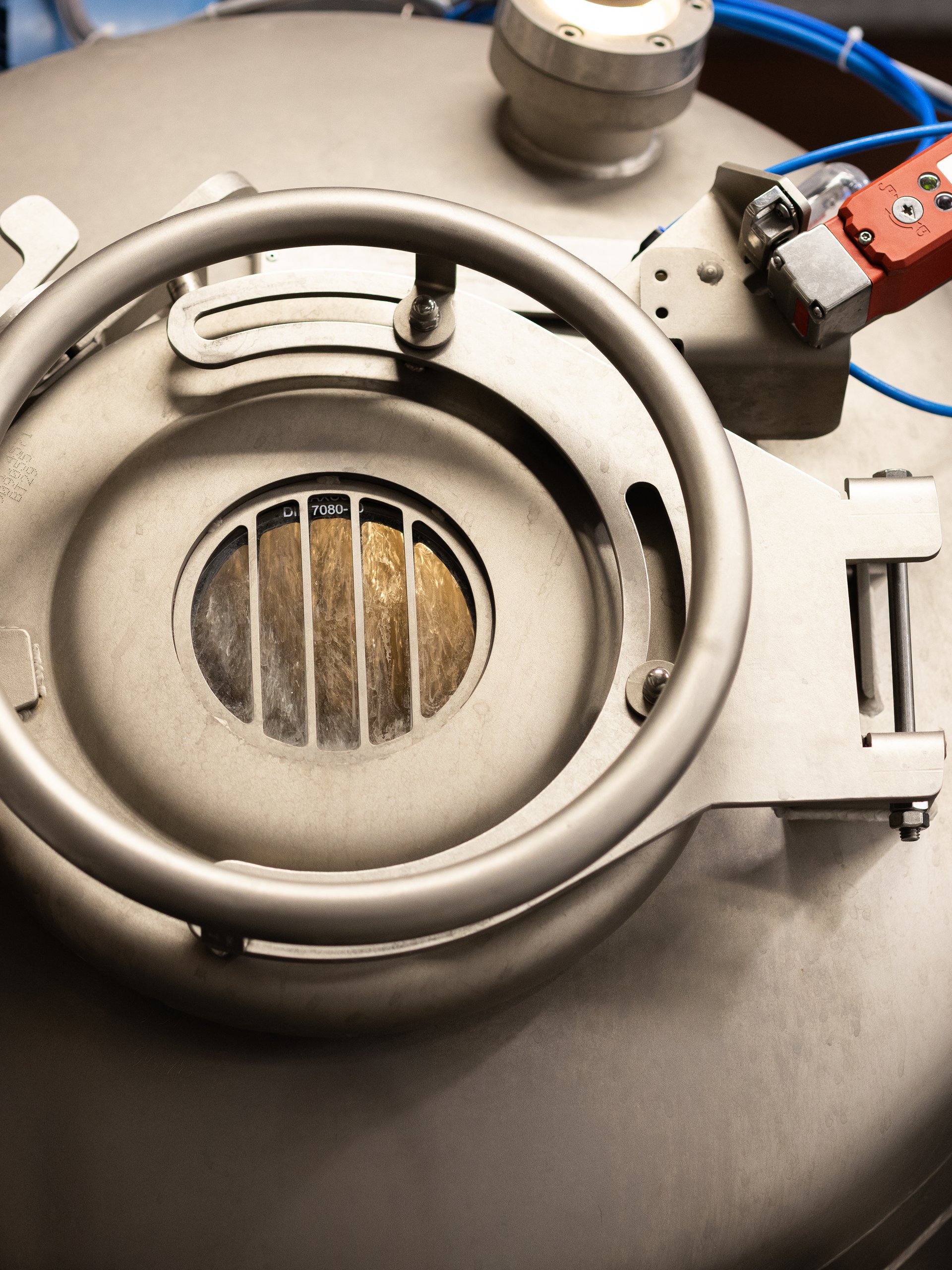
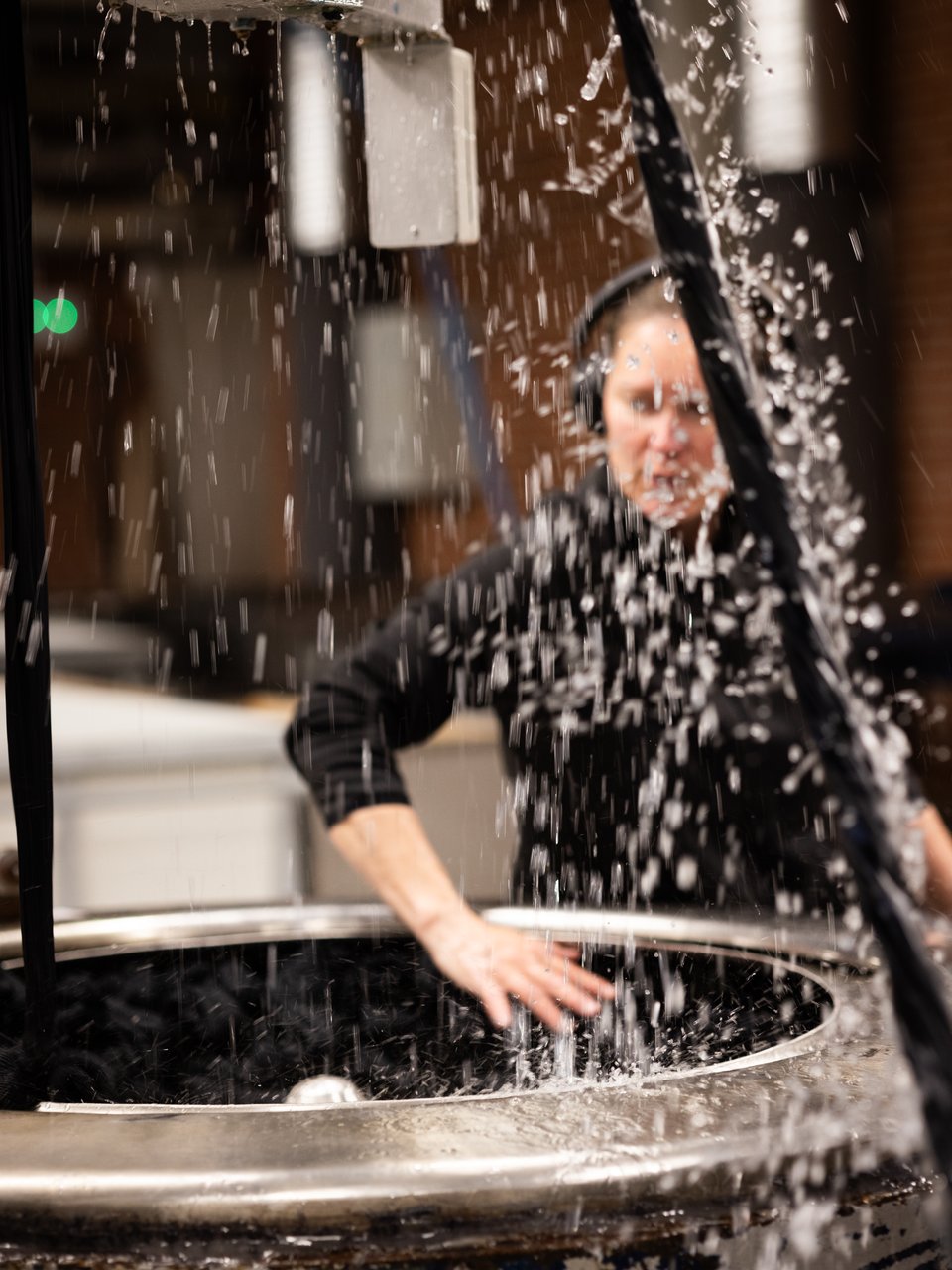
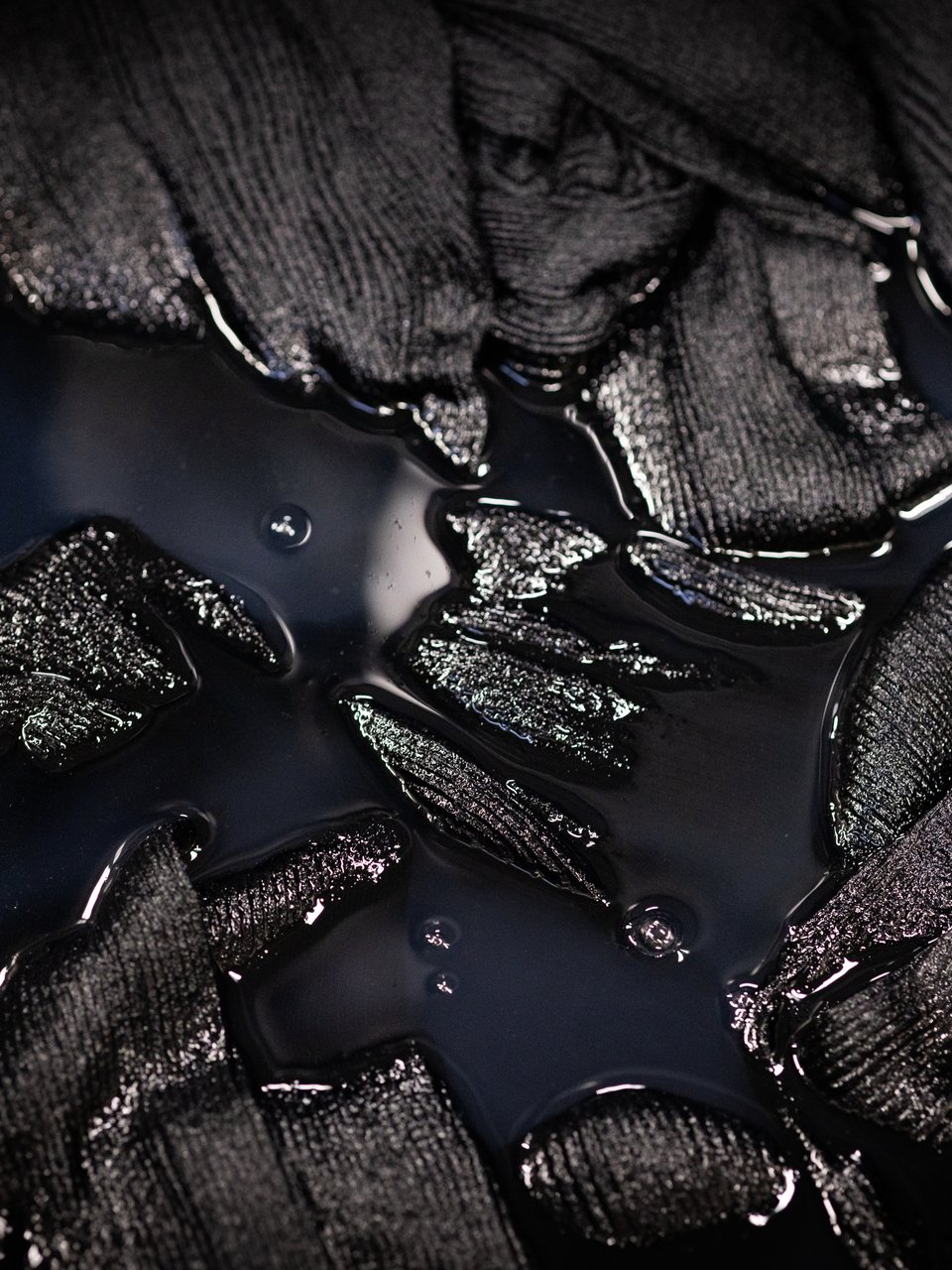
With the formula in place, the fabric is now ready to be treated and dyed. Our merino wool products undergo a gentle enzyme treatment to remove itchy hairs before they are dyed. The enzyme treatment works by attacking peptide bonds to break down proteins. This gently removes itchy, prickly hairs and softens the wool fibers, while leaving all the natural properties of the merino wool completely intact – so you get a soft, clean, and light product.
The entire process is monitored to ensure that everything goes as planned. If the fabric is left in the enzyme treatment for too long, it will deteriorate because the enzymes continue to break down the fibers until there is nothing left. Our cotton receives a different enzyme treatment. Just like the enzyme treatment for our merino wool, the enzyme treatment for our cotton gently removes excess fuzz from the surface of the fibres.
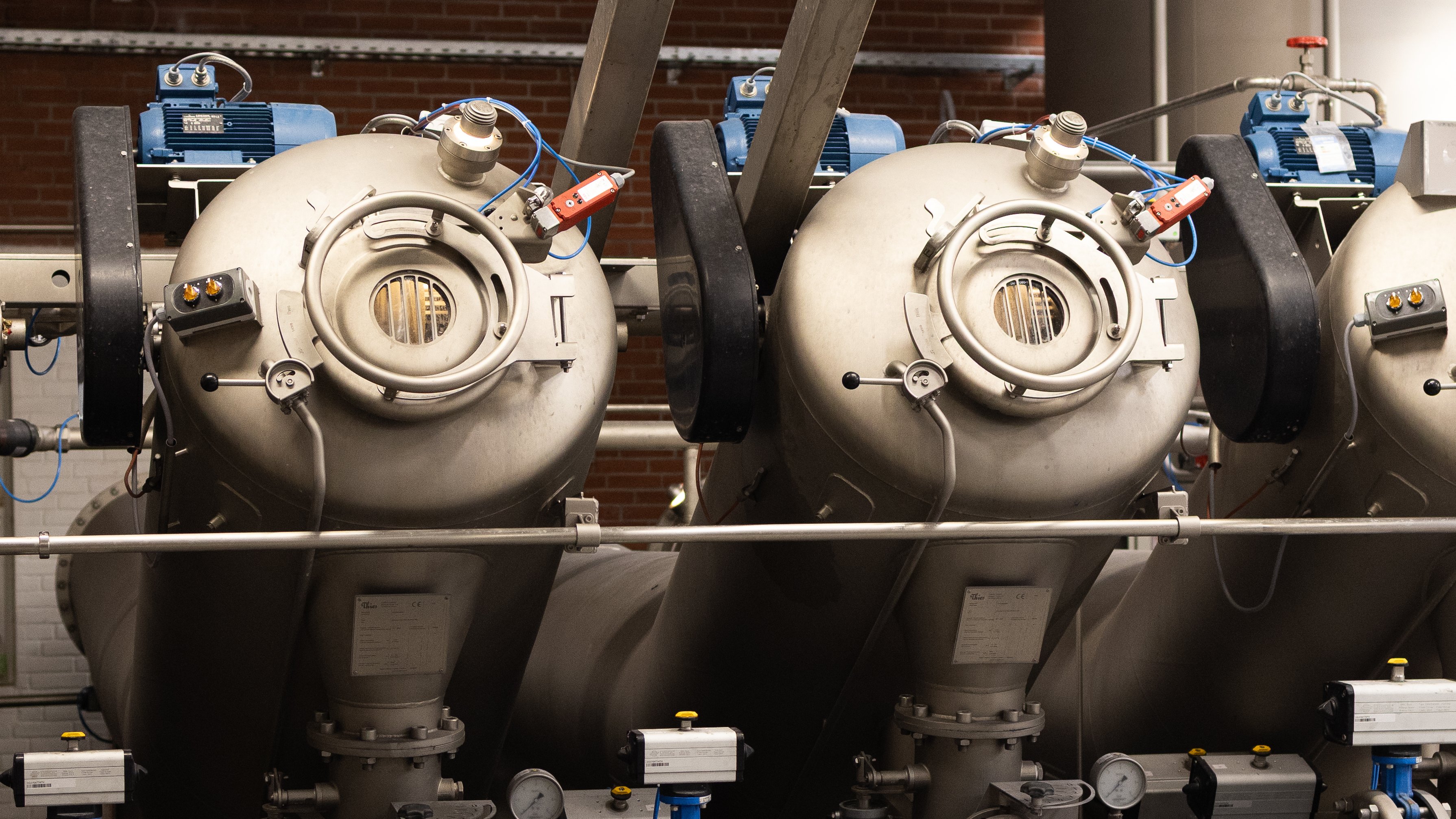
As a fun little detail, all the machines at our dyehouse have names: Emma, Alberte, Basse, Klaus, and Erik. The machines are named after former employees as well as children and grandchildren of DILLING employees.
If you are interested in learning more about our treatments, click here.
03. The drying
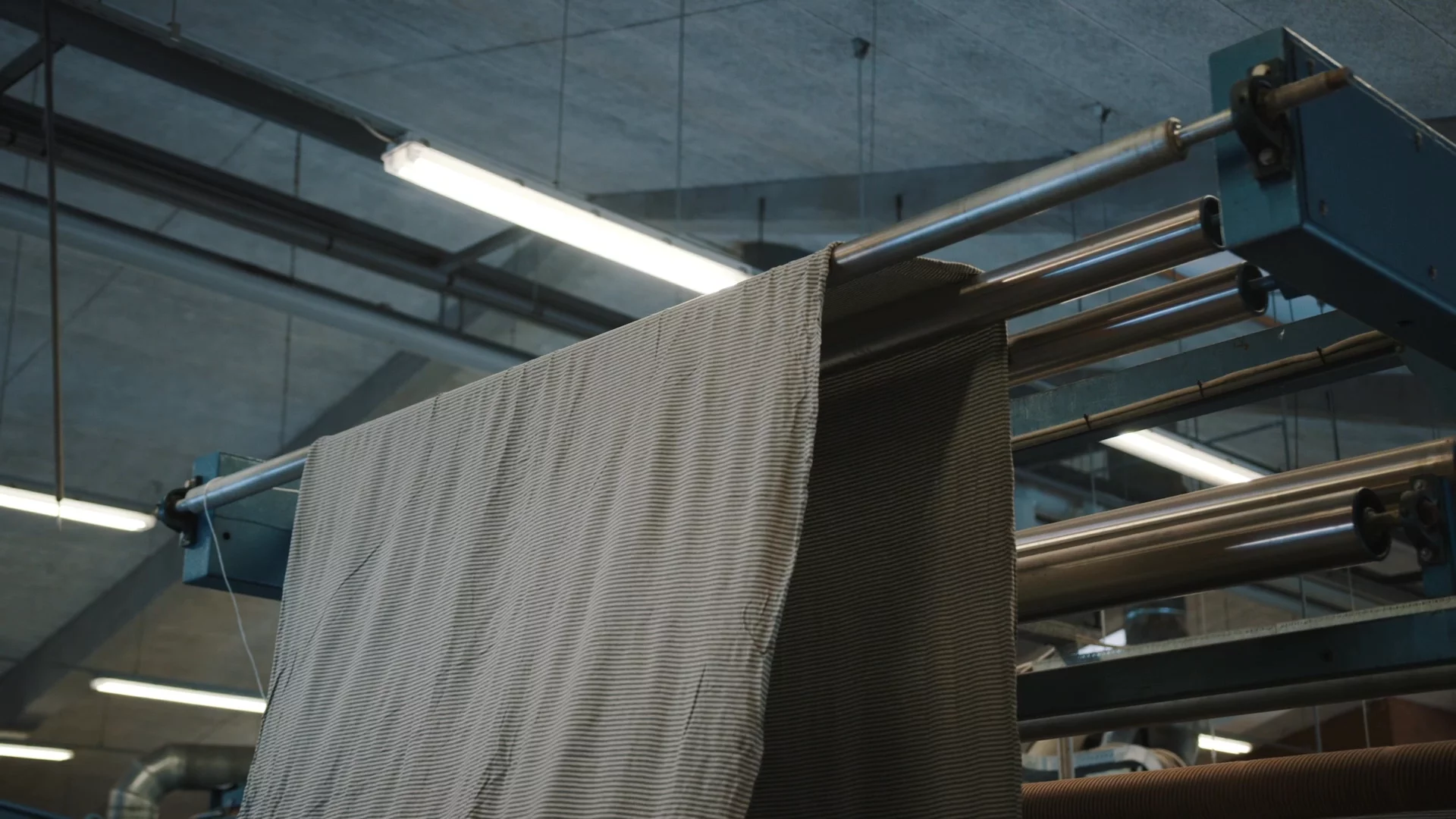
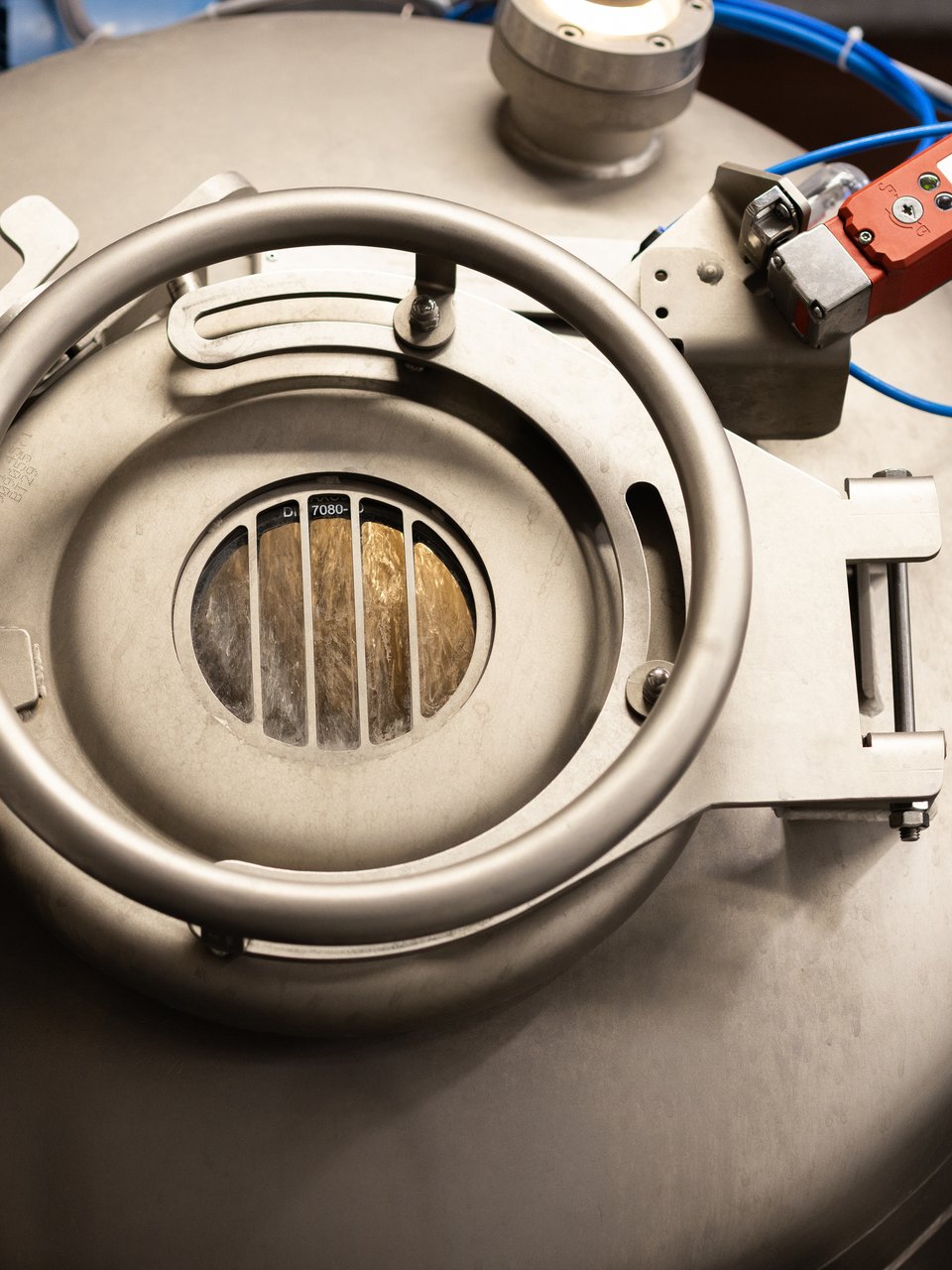
Next, the wool is centrifuged, and the cotton is pressed. The fabric is passed through a machine where it is air-dried. This is especially important for wool, as at this stage the wool shrinks by 20-25%. This helps ensure that the wool does not shrink more than 5% once it has been sewn and sent to the customer.
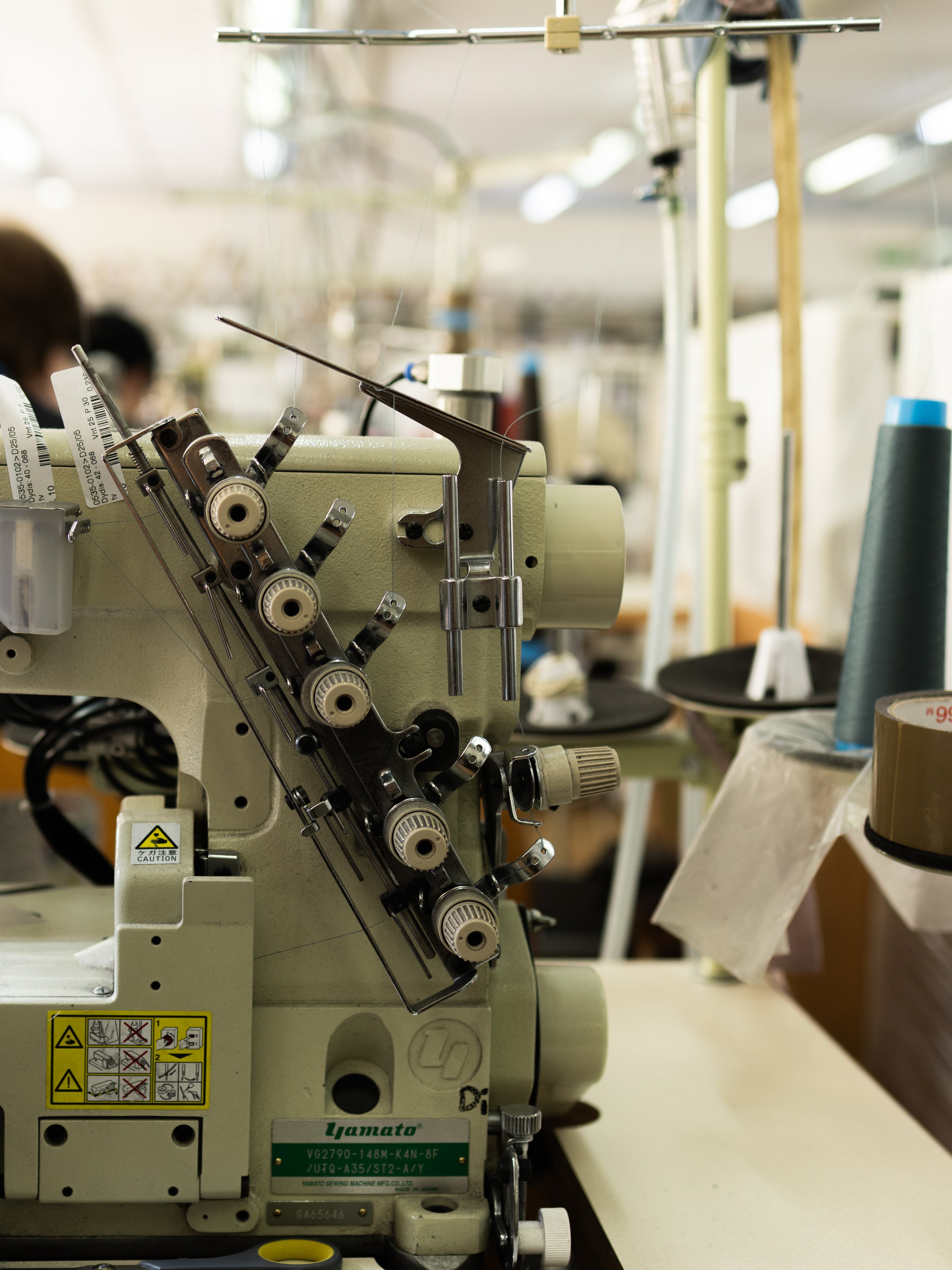
The material is now ready to be sent to Lithuania, where it is cut, sewn, packed, and sent back to the warehouse in Herning.
Explore more