Cards
The recipe
Whenever our designer, Sarah, has a new colour in mind, our dye master, Charlotte, brings her ideas to life. Before any new dye process can start, Charlotte makes a recipe – or formula – for the processing. The formula is a list of ingredients/components and a specification of how much of each component should be added to achieve the desired colour. Making the recipe requires years of experience and meticulous attention to detail.
In the dyehouse we adhere to very high standards of dyeing agents and chemicals. We use the Nordic Swan Ecolabel as a guide to select the components that go into each formula. We have chosen to be Nordic Swan Ecolabelled because they have the strictest requirements regarding the colour and treatment process.
The treatment
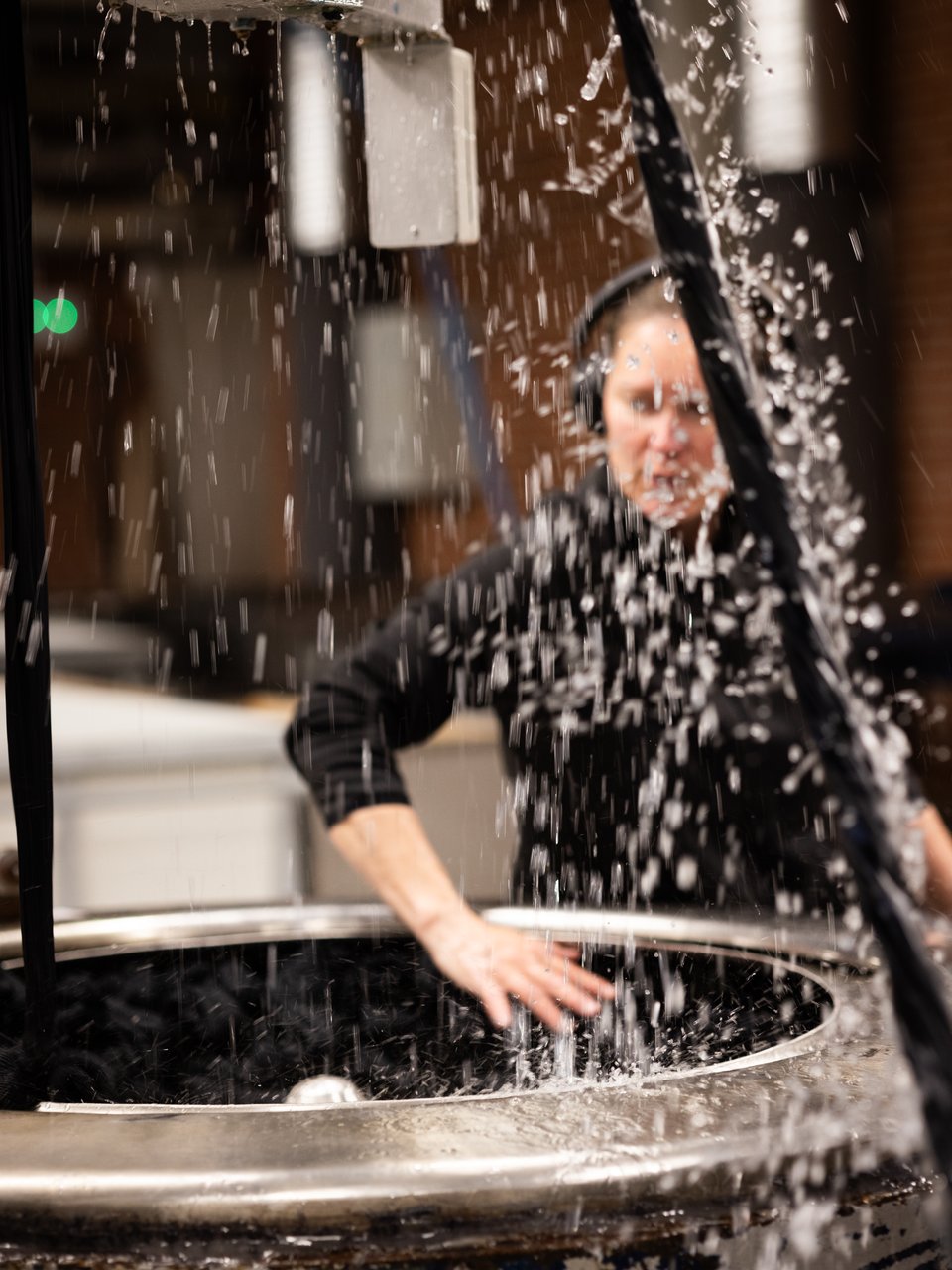
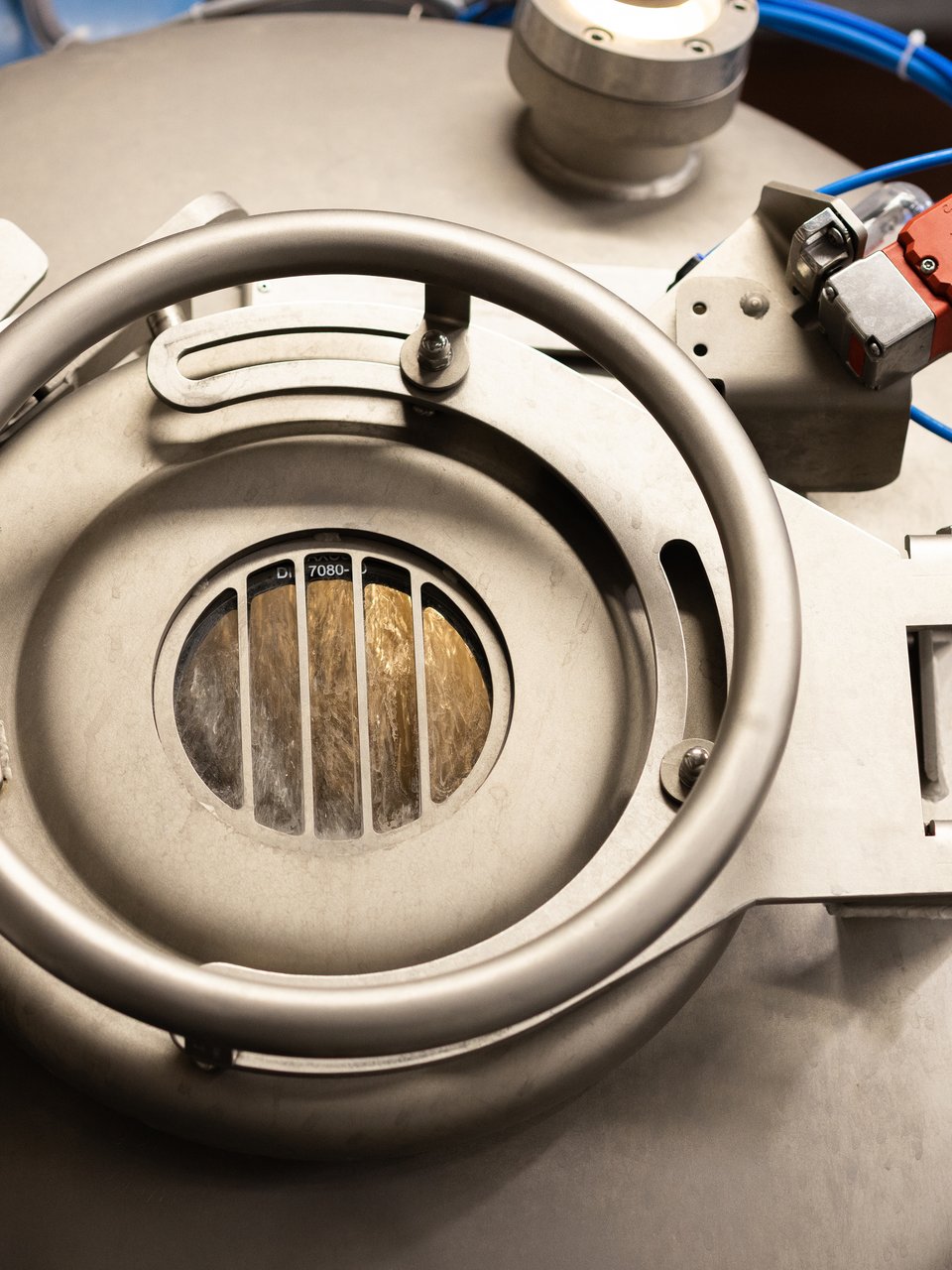
With the formula in place, the fabric is now ready to be treated and dyed, which is done in the same machine. Here’s a little fun fact about the dyehouse: All the machines at our dyehouse have names – there’s Emma, Alberte, Basse, Klaus, and Erik. The machines are named after former workers as well as children and grandchildren of DILLING employees.
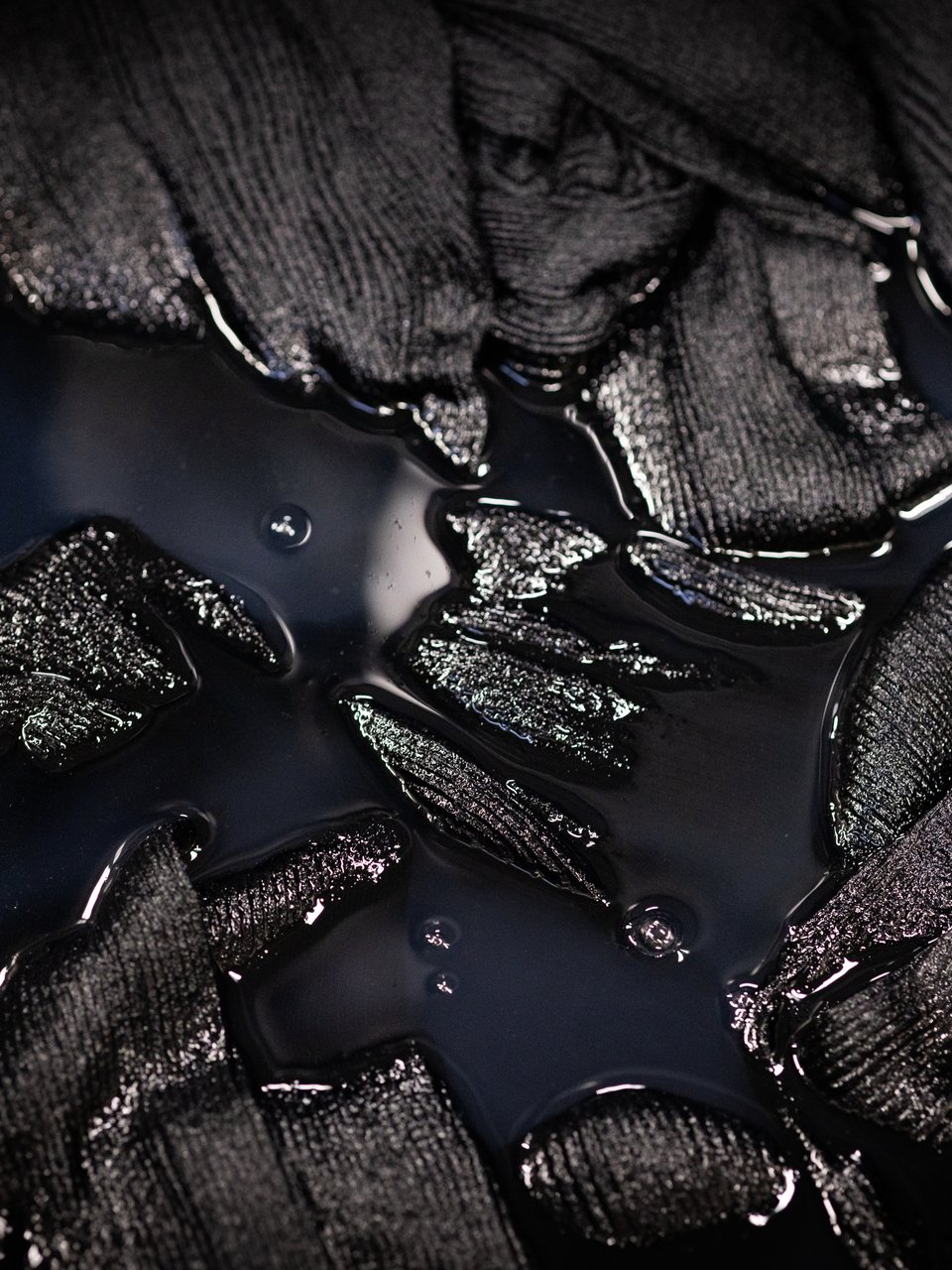
For our merino wool products, the fabric undergoes an enzyme treatment process to remove the itchy hairs before being dyed. The enzyme treatment works by attacking peptide bonds to break down proteins. This gently removes the itchy hairs and softens the wool fibres, while leaving all the natural benefits of the merino wool completely intact – so you get an extraordinarily soft, clean, and light product.
This entire process is supervised to ensure everything goes to plan. If the fabric is left in the enzyme treatment too long, the fabric will deteriorate, because the enzymes will keep ‘eating’ at the fibres until nothing is left.
The cotton processed at the dyehouse receives a different treatment, called a BioPolish treatment. It is also an enzyme-based treatment. Much like the enzyme treatment used for our merino wool products, BioPolish gently removes excess pilling from the surface of the cotton.
If you are interested to learn more about treatments, click here.

The drying
Next, the wool is centrifuged, and the cotton is pressed. The fabric goes through a machine where it is air dried. This is especially important for wool, as the wool shrinks by 20-25% at this stage. It helps ensure the wool does not shrink more than 5% once it has been sewn and sent to the customer.
The material is now ready to be shipped to Lithuania, where it will be cut, sewn, packaged, and sent home to the warehouse in Herning.
The recipe
Whenever our designer, Sarah, has a new colour in mind, our dye master, Charlotte, brings her ideas to life. Before any new dye process can start, Charlotte makes a recipe – or formula – for the processing. The formula is a list of ingredients/components and a specification of how much of each component should be added to achieve the desired colour. Making the recipe requires years of experience and meticulous attention to detail.
In the dyehouse we adhere to very high standards of dyeing agents and chemicals. We use the Nordic Swan Ecolabel as a guide to select the components that go into each formula. We have chosen to be Nordic Swan Ecolabelled because they have the strictest requirements regarding the colour and treatment process.
The treatment
With the formula in place, the fabric is now ready to be treated and dyed, which is done in the same machine. Here’s a little fun fact about the dyehouse: All the machines at our dyehouse have names – there’s Emma, Alberte, Basse, Klaus, and Erik. The machines are named after former workers as well as children and grandchildren of DILLING employees.
The recipe
Whenever our designer, Sarah, has a new colour in mind, our dye master, Charlotte, brings her ideas to life. Before any new dye process can start, Charlotte makes a recipe – or formula – for the processing. The formula is a list of ingredients/components and a specification of how much of each component should be added to achieve the desired colour. Making the recipe requires years of experience and meticulous attention to detail.
In the dyehouse we adhere to very high standards of dyeing agents and chemicals. We use the Nordic Swan Ecolabel as a guide to select the components that go into each formula. We have chosen to be Nordic Swan Ecolabelled because they have the strictest requirements regarding the colour and treatment process.


This is test title
With the formula in place, the fabric is now ready to be treated and dyed, which is done in the same machine. Here’s a little fun fact about the dyehouse: All the machines at our dyehouse have names – there’s Emma, Alberte, Basse, Klaus, and Erik. The machines are named after former workers as well as children and grandchildren of DILLING employees.
For our merino wool products, the fabric undergoes an enzyme treatment process to remove the itchy hairs before being dyed. The enzyme treatment works by attacking peptide bonds to break down proteins. This gently removes the itchy hairs and softens the wool fibres, while leaving all the natural benefits of the merino wool completely intact – so you get an extraordinarily soft, clean, and light product.
This entire process is supervised to ensure everything goes to plan. If the fabric is left in the enzyme treatment too long, the fabric will deteriorate, because the enzymes will keep ‘eating’ at the fibres until nothing is left.
The cotton processed at the dyehouse receives a different treatment, called a BioPolish treatment. It is also an enzyme-based treatment. Much like the enzyme treatment used for our merino wool products, BioPolish gently removes excess pilling from the surface of the cotton.


This is test2
With the formula in place, the fabric is now ready to be treated and dyed, which is done in the same machine. Here’s a little fun fact about the dyehouse: All the machines at our dyehouse have names – there’s Emma, Alberte, Basse, Klaus, and Erik. The machines are named after former workers as well as children and grandchildren of DILLING employees.
For our merino wool products, the fabric undergoes an enzyme treatment process to remove the itchy hairs before being dyed. The enzyme treatment works by attacking peptide bonds to break down proteins. This gently removes the itchy hairs and softens the wool fibres, while leaving all the natural benefits of the merino wool completely intact – so you get an extraordinarily soft, clean, and light product.
This entire process is supervised to ensure everything goes to plan. If the fabric is left in the enzyme treatment too long, the fabric will deteriorate, because the enzymes will keep ‘eating’ at the fibres until nothing is left.
The cotton processed at the dyehouse receives a different treatment, called a BioPolish treatment. It is also an enzyme-based treatment. Much like the enzyme treatment used for our merino wool products, BioPolish gently removes excess pilling from the surface of the cotton.
With the formula in place, the fabric is now ready to be treated and dyed, which is done in the same machine. Here’s a little fun fact about the dyehouse: All the machines at our dyehouse have names – there’s Emma, Alberte, Basse, Klaus, and Erik. The machines are named after former workers as well as children and grandchildren of DILLING employees.
For our merino wool products, the fabric undergoes an enzyme treatment process to remove the itchy hairs before being dyed. The enzyme treatment works by attacking peptide bonds to break down proteins. This gently removes the itchy hairs and softens the wool fibres, while leaving all the natural benefits of the merino wool completely intact – so you get an extraordinarily soft, clean, and light product.
This entire process is supervised to ensure everything goes to plan. If the fabric is left in the enzyme treatment too long, the fabric will deteriorate, because the enzymes will keep ‘eating’ at the fibres until nothing is left.
The cotton processed at the dyehouse receives a different treatment, called a BioPolish treatment. It is also an enzyme-based treatment. Much like the enzyme treatment used for our merino wool products, BioPolish gently removes excess pilling from the surface of the cotton.


Test3
With the formula in place, the fabric is now ready to be treated and dyed, which is done in the same machine. Here’s a little fun fact about the dyehouse: All the machines at our dyehouse have names – there’s Emma, Alberte, Basse, Klaus, and Erik. The machines are named after former workers as well as children and grandchildren of DILLING employees.
For our merino wool products, the fabric undergoes an enzyme treatment process to remove the itchy hairs before being dyed. The enzyme treatment works by attacking peptide bonds to break down proteins. This gently removes the itchy hairs and softens the wool fibres, while leaving all the natural benefits of the merino wool completely intact – so you get an extraordinarily soft, clean, and light product.
This entire process is supervised to ensure everything goes to plan. If the fabric is left in the enzyme treatment too long, the fabric will deteriorate, because the enzymes will keep ‘eating’ at the fibres until nothing is left.
The cotton processed at the dyehouse receives a different treatment, called a BioPolish treatment. It is also an enzyme-based treatment. Much like the enzyme treatment used for our merino wool products, BioPolish gently removes excess pilling from the surface of the cotton.


Test4
With the formula in place, the fabric is now ready to be treated and dyed, which is done in the same machine. Here’s a little fun fact about the dyehouse: All the machines at our dyehouse have names – there’s Emma, Alberte, Basse, Klaus, and Erik. The machines are named after former workers as well as children and grandchildren of DILLING employees.
For our merino wool products, the fabric undergoes an enzyme treatment process to remove the itchy hairs before being dyed. The enzyme treatment works by attacking peptide bonds to break down proteins. This gently removes the itchy hairs and softens the wool fibres, while leaving all the natural benefits of the merino wool completely intact – so you get an extraordinarily soft, clean, and light product.
This entire process is supervised to ensure everything goes to plan. If the fabric is left in the enzyme treatment too long, the fabric will deteriorate, because the enzymes will keep ‘eating’ at the fibres until nothing is left.
The cotton processed at the dyehouse receives a different treatment, called a BioPolish treatment. It is also an enzyme-based treatment. Much like the enzyme treatment used for our merino wool products, BioPolish gently removes excess pilling from the surface of the cotton.


